
This is our beginner’s guide to men’s 5K running shoes and training gear. You definitely don't need to buy everything at once. Think of this as a reference list you can come back to as you figure out what works for you.
Some people run their first 5K in an old t-shirt and whatever sneakers they had in the closet, and that’s fine. But if you want to focus on your 5K training and not deal with discomfort from ill-fitting gear, a few key upgrades can make a real difference.
The shoes section is probably the most important one to check out, and socks are a close second (more on that below).
Men's Short Sleeve Tops
A moisture-wicking shirt makes a real difference once you're 15 minutes into a run. Cotton holds sweat and gets heavy; technical fabric – polyester, nylon, or a blend – moves it away from your skin and dries fast. Fit is personal: some runners prefer fitted, some like relaxed. Either works.
Men's Long Sleeves
If you're training through fall or running early mornings when it's still cold, a lightweight long sleeve is worth having. A half-zip is handy if you want an option to vent.
Men's Shorts
The main things to look for: a liner (so you don't need separate compression shorts), a secure pocket for your phone or keys, and a length you're comfortable with.
Men's 5K Running Shoes — Universal Daily Trainers with a Balanced Ride
Shoes are where it's worth spending time and, if possible, getting fitted in person. For a first 5K, you want a daily trainer with a good balance of cushioning and responsiveness — something that handles both easy runs and the occasional faster effort. The three options below are solid picks across different preferences.
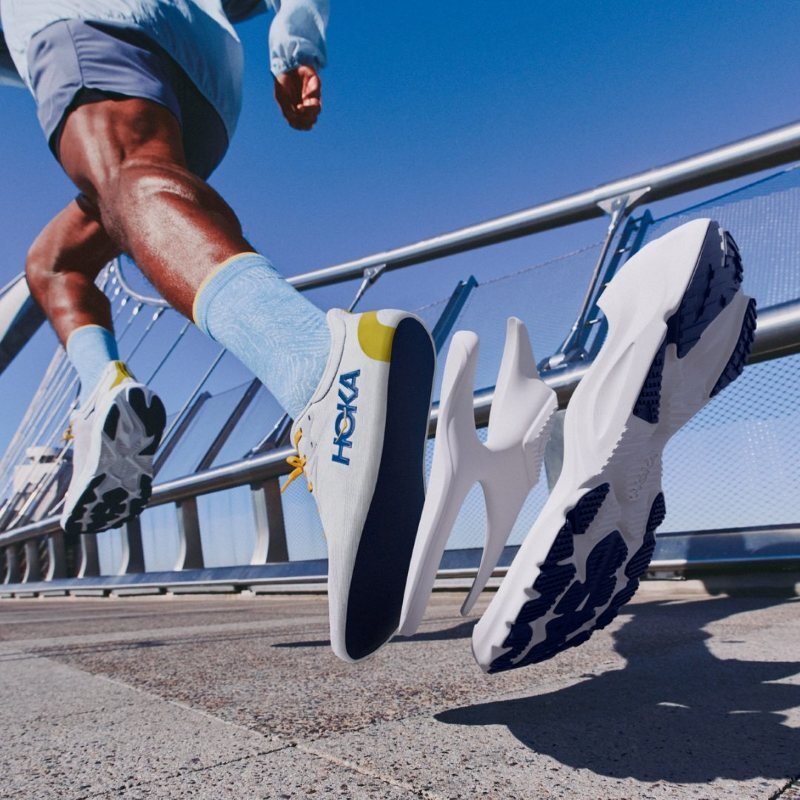
HOKA Arahi 8 — A stability shoe that doesn't feel stiff. The H-Frame technology guides your foot through the gait cycle without overcorrecting, which makes it a great pick for runners with mild to moderate overpronation. Available in regular, wide, and extra-wide fits.
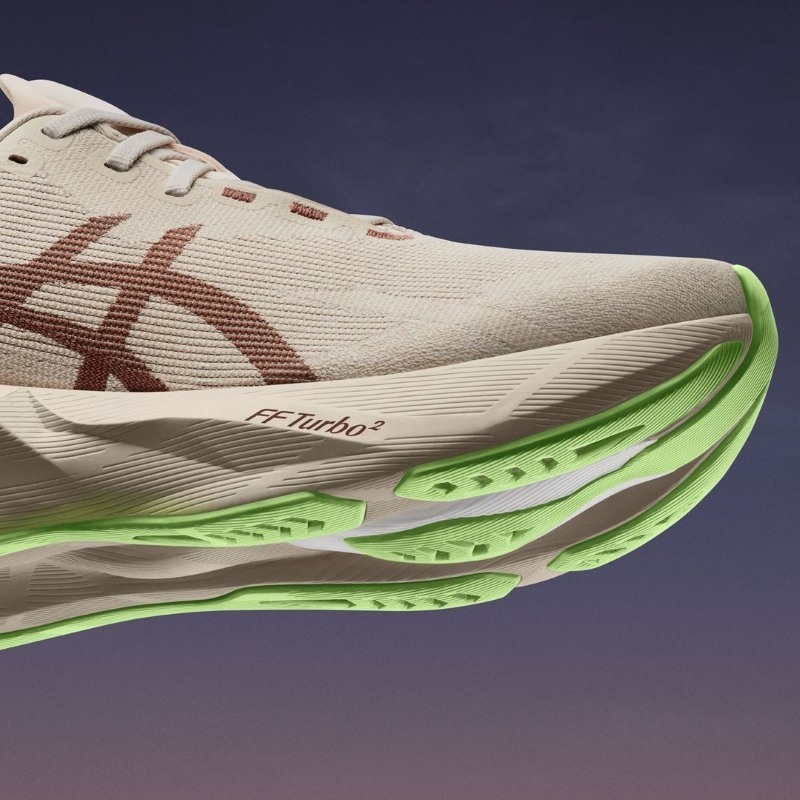
ASICS Novablast 5 / Novablast 6 — A neutral trainer with a bouncy, energetic ride. The FF BLAST MAX foam returns energy at toe-off, which makes shorter runs feel noticeably lighter. The Novablast 5 is still available at a reduced price if budget is a factor - the ride is nearly identical.
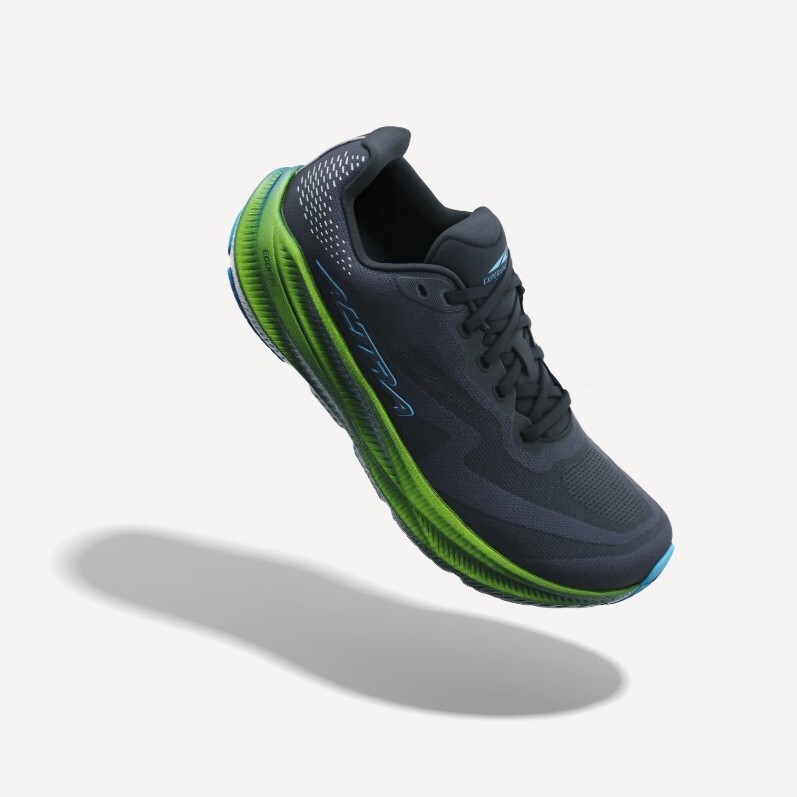
Altra Experience Flow 3 / Experience Flow ST — A zero-drop shoe with a foot-shaped toe box. Not for everyone, but if you've had issues with toe crowding or prefer a more natural ground feel, these are worth trying.
Men's 5K Running Shoes — For Beginners, Recovery & Knee Support
If your joints need a bit more care, or you're coming back from an injury, these shoes lean toward max cushion and stability. Good picks if you've had knee or hip issues in the past or if you're heavier and want more protection on impact.
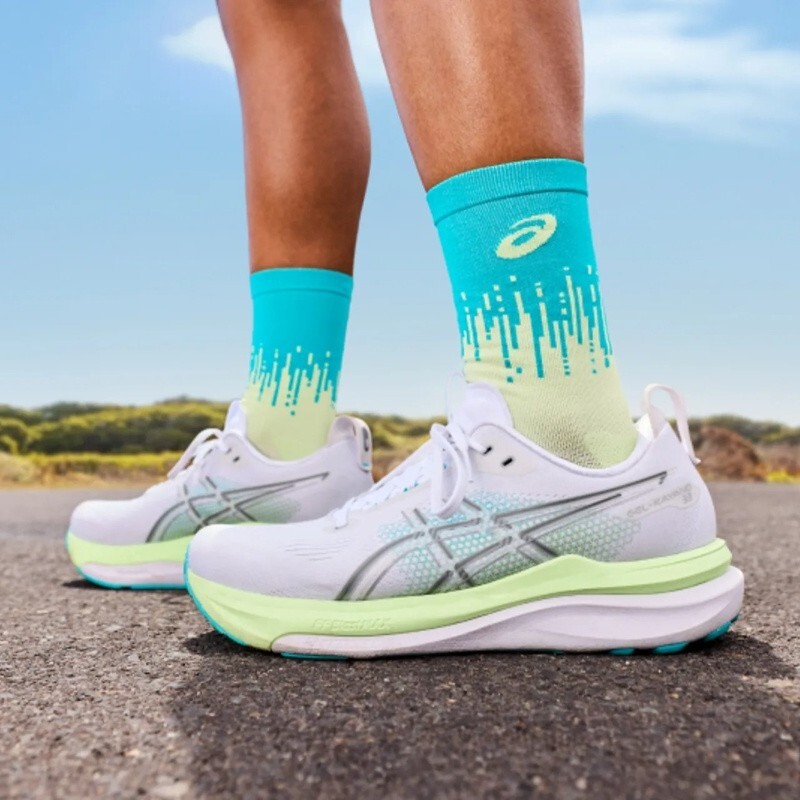
ASICS Gel-Kayano 32 / 33 — One of the most well-known stability shoes out there. Lots of cushion, solid arch support, built for the long runs.
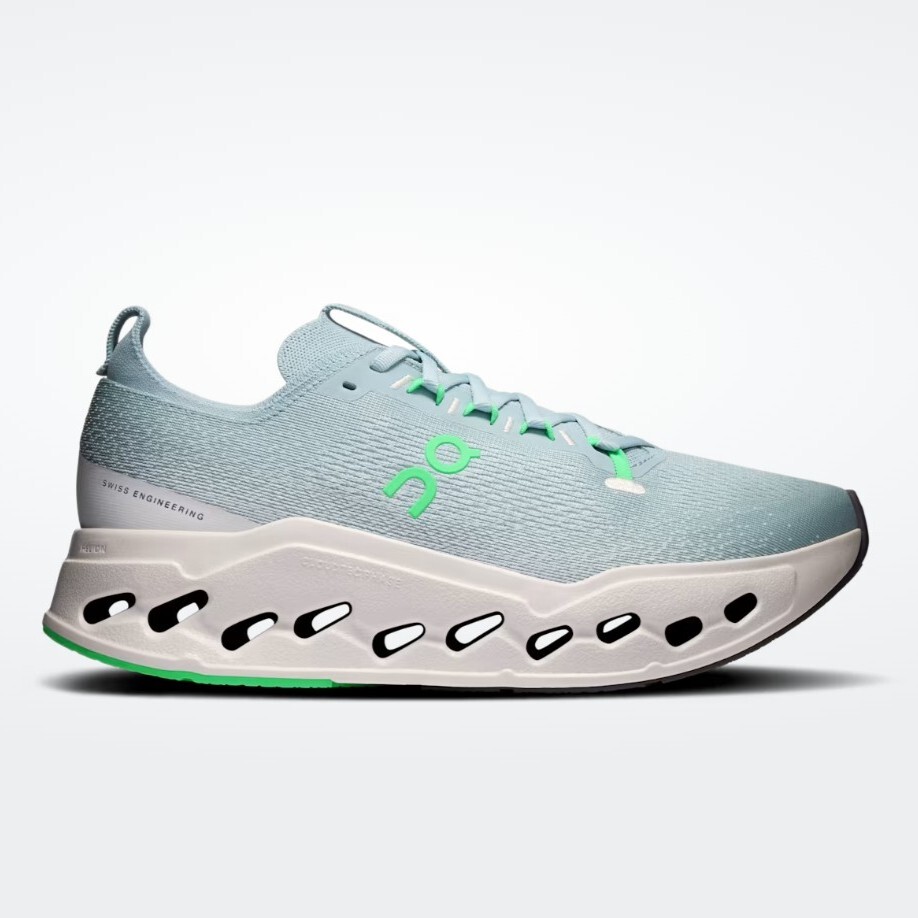
On Cloudsurfer Max — Designed with heavier runners in mind, the Cloudsurfer Max has a generous cushioning stack and a rocker geometry that keeps transitions smooth even when your legs are tired. A good option if you want something that genuinely absorbs impact without feeling spongy.
Running Socks
Cotton socks hold moisture, bunch up, and create friction — all the ingredients for blisters. Technical running socks make a noticeable difference, especially once your runs get longer. Look for a seamless toe, a snug heel pocket, and some arch compression to keep the sock from bunching mid-run.
Running Shoe Insoles
If you have flat feet, overpronate, or have been told you have alignment issues, an aftermarket insole can make a meaningful difference - especially as training volume goes up. Not everyone needs them, but if your shoes feel like they're working against you despite a good fit, this is worth looking into. Come by our store if you want a proper assessment before buying.
Running Sunglasses
Sunglasses on a run aren't just about sun — they also block wind, dust, and insects, which matters more than you'd think once you're moving fast. Look for lightweight frames that wrap close to your face and stay put without sliding.
Storage & Hydration
Sunglasses on a run aren't just about sun — they also block wind, dust, and insects, which matters more than you'd think once you're moving fast. Look for lightweight frames that wrap close to your face and stay put without sliding.
Handheld Flasks
Phone Carriers
Waist Packs
Safety
If you run before sunrise or after dark, visibility gear is important. It doesn't have to be elaborate - a clip-on light or a reflective vest is often enough to make you visible to drivers from a reasonable distance.
GPS & Heart Rate Monitors
You don't need a watch to run a 5K. But if you're someone who likes data or finds it motivating to track pace and heart rate in real time, an entry-level running watch is worth considering. The Vivoactive 6 is the most approachable starting point. The Forerunner line steps it up if you want more detailed training metrics.
Nutrition
For a standard C25K training run, you likely don't need an energy gel – the sessions aren't long enough to deplete your glycogen stores. Once you're running 45+ minutes continuously, or on race day, a gel at the 30-minute mark can help keep energy levels steady. Don't experiment with anything new on race day.
We stock more options in our running store, including salt sticks and isotonic drinks.

