
Best Running Shoes for High Arches [2025 Top Picks & Guide]
![Best Running Shoes for High Arches [2025 Top Picks & Guide]](https://cdn11.bigcommerce.com/s-eeul26hjka/images/stencil/1280x720/uploaded_images/running-shoes-for-high-arches.jpg?t=1772177791 "Best Running Shoes for High Arches [2025 Top Picks & Guide]")
This guide will walk you through everything you need to know about how high arches impact your running gait and what features to look for in running shoes for high arches.
High Arches and How They Affect Your Running
High arches (medically termed cavus feet) are when your arch sits higher than normal, creating a curved shape. Basically, this is the opposite of flat feet.
The main challenge here is that high arches are typically rigid. The lack of flexibility lessens shock absorption, meaning more force gets transferred to your heel and the ball of your foot. You might notice calluses in these areas, or experience pain in your arch, heel, or forefoot after runs.
The Wet Test
Want to check if you have high arches? Try the wet test. Step out of the shower or dip your foot in water, then step on a piece of paper or cardboard. If you see just a thin line connecting your heel to your forefoot (or maybe no connection at all), you've got high arches.
What High Arches Mean for Your Running
Having high arches affects how you run in several ways. First, you're more likely to land on your forefoot or midfoot rather than your heel. This makes sense when you consider the anatomy—with less flexible arches, your foot naturally wants to land in a position that doesn't force that rigid structure to bend and adapt. This isn't necessarily bad, but it does mean you need different types of support and cushioning than heel strikers.
The Supination Myth: Why Arch Height Doesn't Always Predict Gait
One of the biggest misconceptions is that high arches automatically mean you supinate (underpronate). Supination occurs when your foot doesn't roll inward enough after landing, staying on the outside edge longer than biomechanically ideal.
While many high-arched runners do exhibit supination patterns, it's not a universal law. At RunUnited, we've seen plenty of runners with pronounced arches who actually overpronate.
Recent research has shown that arch height alone isn't a reliable predictor of injury risk or gait patterns. What matters is how your foot actually moves during the running motion, not what it looks like when you're standing still.
Key Features to Look for in Running Shoes for High Arches
High arches need more cushioning and a higher stack
This is the big one. Since your high arches aren't doing much shock absorption, your shoes need to pick up the slack. Look for shoes with generous cushioning throughout the midsole, especially in the areas where you land.
If you're a forefoot striker, prioritize forefoot cushioning. Heel strikers should focus on heel cushioning. When in doubt, go for shoes with cushioning throughout – it's better to have too much than too little.
Materials like EVA foam, gel, or air cushioning systems all work well. The key is finding something that feels comfortable and responsive, not squishy or unstable.
Most high-arch runners feel comfortable in neutral shoes
Most runners with high arches do well in neutral shoes. These don't have motion control features that might interfere with your natural gait. Stability shoes aren't automatically off-limits, but start with neutral options unless you know you need extra support.
Match the shoe drop with your striker pattern
Heel drop is the difference in height between your heel and forefoot. For forefoot strikers, a lower heel drop (8mm or less) often feels more natural. Heel strikers might prefer a higher heel drop (8mm or more).
Opt for shoes with a roomy toe box
High arches often mean you need more vertical room (higher instep) in the shoe. Look for shoes with roomy toe boxes and stretchy knit uppers that won't create pressure points. Your toes should have space to splay naturally, especially if you're landing on your forefoot.
Consider outsole rubber coverage
Make sure there's good rubber coverage where you land. Forefoot strikers need solid coverage in the front, while heel strikers need it in the back. The rubber should provide good grip without being so soft that it wears out quickly.
Best Running Shoes for High Arch
ASICS Novablast 5

Stack: 41.5mm / 33.5mm
Drop: 8mm
Cushioning: Plush, cushioned
Stability: Neutral
Weight: 9oz (men); 7.9oz (women)
If you have high arches and need a daily trainer with the right mix of cushioning and energy return, the ASICS Novablast 5 is a great shoe. Its new FF Blast Max foam gives 8.5% more energy return compared to previous versions, with a softer and more forgiving feel underfoot. What makes it particularly great for high arches is its generous midfoot.
With a heel stack height of 40.5mm, this shoe offers plenty of cushioning to absorb the impact high arches struggle to naturally dampen, while the 8mm drop provides a comfortable platform for various foot strike patterns. The engineered Jacquard mesh upper is is roomy through the midfoot and is flexible enough to accommodate higher insteps or wider feet.
This shoe is more of an aggressive type, perfect for daily training, long mileage, or tempo runs. At $150, it’s an excellent value.
ASICS Gel-Nimbus 27

Stack: 43.5mm / 35.5mm
Drop: 8mm
Cushioning: Balanced, max cushioned
Stability: Neutral
Weight: 10.7oz (men); 9.3oz (women)
The ASICS Gel-Nimbus 27 is the luxury liner of the ASICS fleet, designed specifically for high-arched runners. This max-cushioned daily trainer features a high heel stack of 43.5mm with FF Blast Plus Eco foam that delivers an above-average shock absorption. The improved toe box design provides extra wiggle room, addressing a common complaint from previous versions.
For high arches, the broader midfoot design and premium materials create a cocoon-like experience that supports without restricting. While the 8mm drop works well for any striker pattern, the forefoot cushioning at 35.5mm makes these shoes particularity great for midfoot and forefoot strikers.
Compared to Novablast, the Nimbus is a softer shoe, very protective but lacks agility. It’s also a bit heavier at 10.7 oz. The Nimbus will be great for recovery runs, long easy miles, and daily training, especially if you like the softer feel. It's also ideal for heavier runners.
Brooks Ghost 17
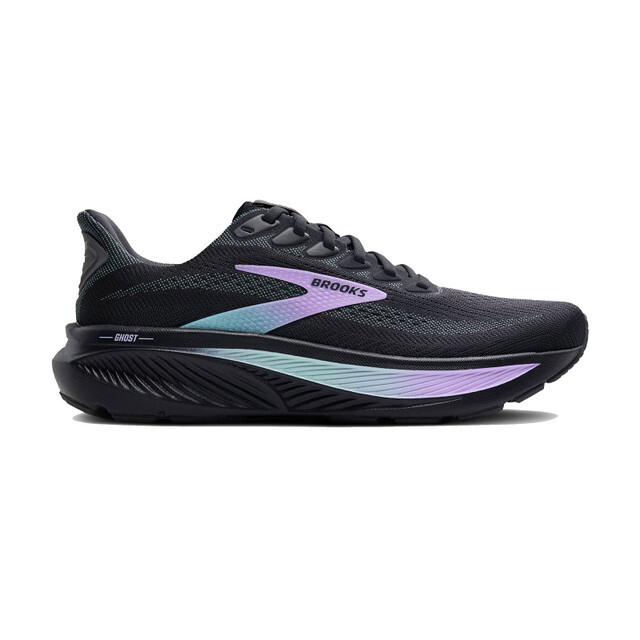
Stack: 36mm / 26mm
Drop: 10mm
Cushioning: Soft, cushioned
Stability: Neutral w/ stability
Weight: 10.1oz (men); 8.8oz (women)
The Brooks Ghost lineup continues to shine as a versatile daily trainer, now with enhanced features that make it particularly suitable for high-arched runners. The updated DNA Loft v3 foam provides a plush yet stable ride with excellent arch support built into the midsole geometry. The 10mm drop (decreased from 12mm in the previous version) creates a more comfortable platform for high-arched feet while the additional heel and forefoot cushioning helps absorb impact.
That said, it’s worth noting that the amount of cushioning in the forefoot in Ghost 17 is lower compared to the Novablast 5 - something to keep in mind. Still, the shoe is great for slower paces and shorter runs as well as runners who need a more minimalistic platform with more grounded feel.
Brooks Glycerin Max

Stack: 45mm / 39mm
Drop: 6mm
Cushioning: Plush, max cushioned
Stability: Neutral
Weight: 10.5oz (men); 9.5oz (women)
The Brooks Glycerin Max is Brooks' entry into the super-max cushioning category, featuring their innovative DNA Tuned foam technology that adapts to your specific stride pattern. This 45mm heel, 39mm forefoot monster provides exceptional shock absorption with larger foam cells in the heel for plush landings and smaller cells in the forefoot for responsive toe-offs. The 6mm drop creates a more natural foot position that many high-arched runners find comfortable.
What makes this special for high arches is the orthotic-friendly design - the shoe accommodates custom insoles better than most max-cushioned options.The wide platform offers excellent stability, while the engineered mesh upper allows your feet to breathe and move easily.
This shoe is perfect for long runs, recovery days, and slower paces, as well as runners who need premium max cushioned shoes.
HOKA Bondi 9
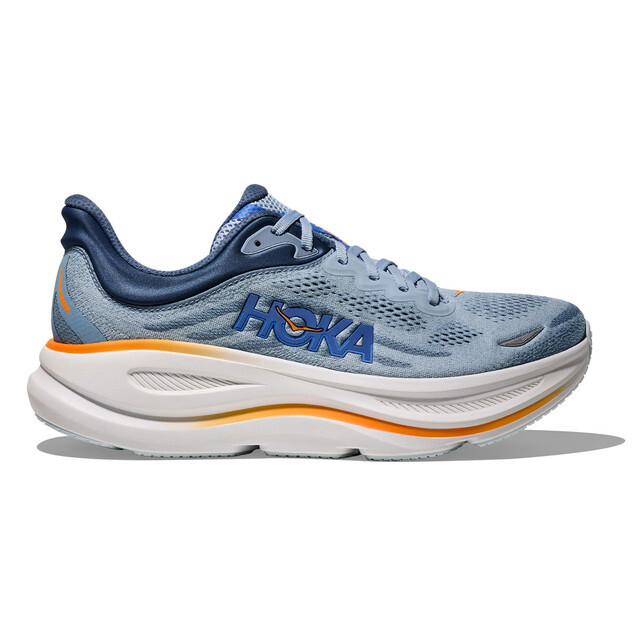
Stack: 43mm / 38mm (men); 42mm / 37mm (women)
Drop: 5mm
Cushioning: Maximum, soft
Stability: Neutral (stable platform)
Weight: 10.5oz (men); 9.3oz (women)
The HOKA Bondi 9 is the gold standard for maximum cushioning, now featuring supercritical EVA foam that provides a more responsive ride while maintaining the plush comfort the series is known for. With a 43mm heel stack and 38mm forefoot, this shoe delivers world-class shock absorption. The 5mm drop creates a stable platform that works well for various foot strikes.
The meta-rocker design helps guide your foot through the gait cycle smoothly, reducing the work your high arches have to do. The wider toe box and foot-frame design where your foot sits inside the midsole provide excellent stability and support. This shoe excels for easy runs, recovery runs, long runs, and all-day walking - it's equally at home on training runs and hospital floors.
HOKA Clifton 10
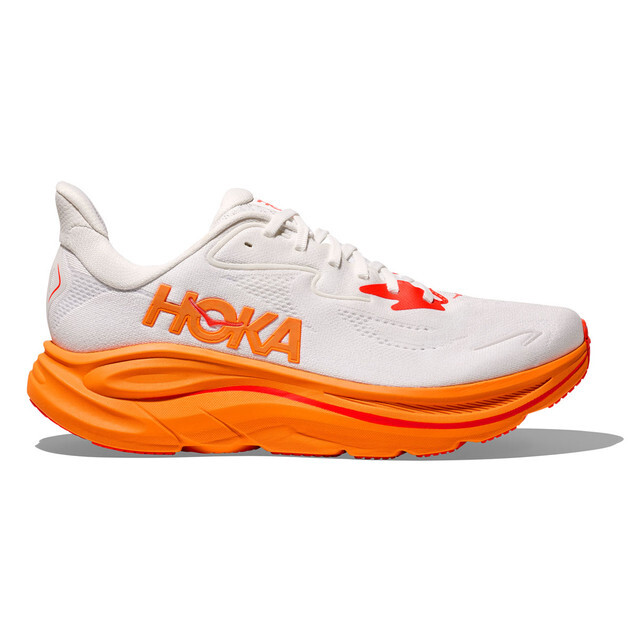
Stack: 42mm / 34mm (men); 38mm / 30mm (women)
Drop: 8mm
Cushioning: Plush, balanced
Stability: Neutral
Weight: 9.8oz (men); 8oz (women)
The HOKA Clifton 10 represents a significant evolution in the beloved Clifton series, now featuring a 44mm heel stack that places it firmly in the max-cushioned category. The 8mm drop (increased from 5mm) creates a more heel-striker-friendly platform while the CMEVA foam provides reliable, if not cutting-edge, cushioning. The roomier toe box addresses previous fit complaints while maintaining the supportive midfoot that high-arched runners appreciate.
The meta-rocker geometry helps propel you forward efficiently, reducing the strain on high arches during the gait cycle. The improved traction and flexible forefoot make this shoe versatile for various surfaces and paces. This shoe is perfect for daily training, long runs, and casual wear - it's the ultimate do-everything shoe that looks good with jeans and performs well on 20-mile runs.
HOKA Skyward X
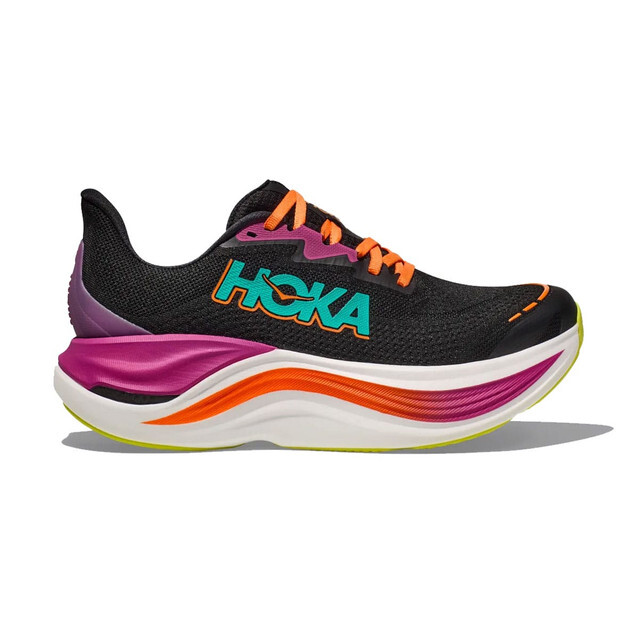
Stack: 48mm / 43mm (men); 46 mm / 41 mm (women)
Drop: 5mm
Cushioning: Max cush, responsive
Stability: Neutral (stable)
Weight: 11.3oz (men); 9.2oz (women)
The HOKA Skyward X is HOKA's premium super-trainer, featuring a massive 48mm heel stack with cutting-edge PEBA foam technology typically reserved for racing shoes. The three-layer midsole construction includes responsive PEBA on top, an H-shaped carbon plate in the middle, and EVA at the bottom, creating a cushioned and propulsive ride. The 5mm drop works well for forefoot and midfoot strikers.
For high arches, the extensive cushioning provides exceptional impact protection while the carbon plate adds structure and energy return. The rocker geometry helps guide your foot through the stride efficiently, reducing the work your arches have to do. This shoe excels for long runs, tempo runs, and recovery runs. It's also well-suited for marathoners and ultramarathoners.
HOKA Gaviota 5
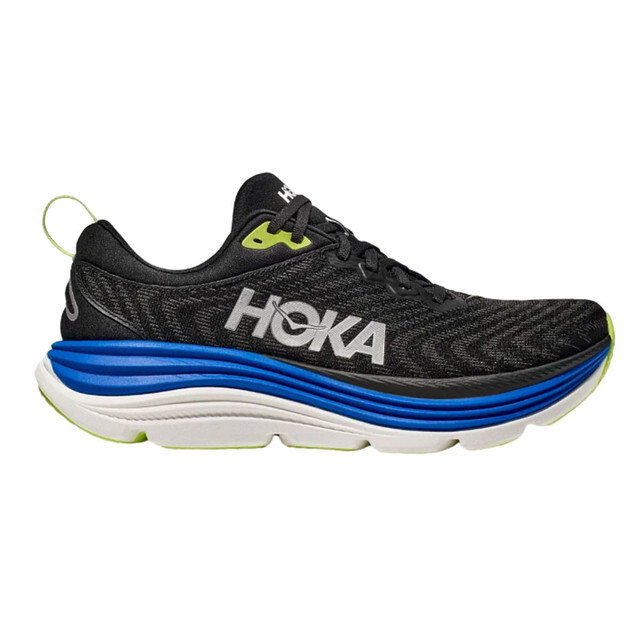
Stack: 36mm / 30mm (men); 34mm / 28mm (women)
Drop: 6mm
Cushioning: Max cush, responsive
Stability: Stable
Weight: 10.9oz (men); 9.1oz (women)
The HOKA Gaviota 5 is HOKA's premier stability shoe, featuring the innovative H-Frame technology. The dual-layer midsole construction with softer CMEVA foam creates a highly comfortable, stable ride that's particularly beneficial for high-arched runners who experience some foot roll. The 6mm drop and generous stack height provide excellent cushioning and support.
The H-Frame design cradles your foot naturally, providing stability for high-arched feet that might roll outward while still allowing natural foot movement. The wide toe box and breathable Creel Jacquard mesh upper accommodate higher-volume feet comfortably. This stability shoe is perfect for daily training, long runs, and recovery efforts where you need both cushioning and gentle guidance. If you have high arches and need mild stability, this shoe might work for you.
ON Cloudmonster 2

Stack: 35mm / 29mm
Drop: 6mm
Cushioning: Firm, responsive
Stability: Neutral
Weight: 10.4oz (men); 8.1oz (women)
The ON Cloudmonster represents ON's breakthrough into serious cushioning territory, featuring their largest CloudTec elements ever and the softest iteration of Helion foam yet developed. The 30mm heel, 24mm forefoot with 6mm drop creates a balanced platform that's particularly well-suited for high-arched feet. The individual cloud pods provide a unique sensation where you can feel each element compress and release throughout your stride.
What makes this special for high arches is the firmer ride that provides excellent support without being mushy, plus the rocker geometry and a springy plastic plate in the midsole. The breathable upper and lightweight construction at just 9.9oz make it feel surprisingly nimble for such a cushioned shoe. This shoe excels for daily training, long runs, and uptempo efforts - it's surprisingly versatile and can handle everything from recovery jogs to tempo runs.
How to Make Sure the Shoes Will Actually Work for You
Get Properly Fitted
Visit a specialty running store if possible. Many offer gait analysis that can show you exactly how you run. This takes the guesswork out of shoe selection and helps you understand your specific needs.
Try Before You Buy
Don't just stand in the shoes – walk or jog around the store. Many running stores have treadmills or let you test shoes outside. Pay attention to how the shoes feel during movement, not just when you're standing still.
Consider Your Mileage
If you're running longer distances, you might benefit from additional stability features. When you get tired, your form can break down, and a little extra support can help maintain proper mechanics.
Think About Terrain
Road shoes and trail shoes have different requirements. For trails, you'll want deeper lugs for grip, a wider base for stability, and rock plates for protection. The same cushioning principles apply, but the execution differs.
Additional Considerations
Insoles and Orthotics
Don't overlook aftermarket insoles. Sometimes a great neutral shoe becomes perfect with the right insole. Over-the-counter arch support insoles can provide extra cushioning and support where you need it most.
For persistent pain or specific issues, custom orthotics from a podiatrist might be worth considering. They can address your exact foot shape and biomechanics.
Replace Regularly
High arches put extra stress on shoes, potentially wearing them out faster. Keep track of your mileage and replace shoes when the cushioning starts to feel flat or the outsole shows significant wear.
Listen to Your Body
Pain isn't normal. If you're experiencing discomfort, it might be time to reassess your shoe choice. What worked for your first few runs might not work as your mileage increases or your fitness changes.
Final Thoughts
Don't assume all high-arched runners are the same. Some need arch support, others don't. Some supinate, others don't. Focus on what feels comfortable for you rather than following rigid rules.
Avoid shoes with aggressive arch support unless you know you need it. Many runners with high arches find built-in arch support uncomfortable or unnecessary.
Don't go too minimal too quickly. While some high-arched runners do well in minimalist shoes, the transition should be gradual. Start with adequately cushioned shoes and work your way down if desired.
FAQs
What kind of running shoe is best for high arches?
Neutral running shoes with substantial cushioning are ideal for high arches; they absorb impact and do not include corrective stability features intended for overpronation.
Should shoes for high arches have extra arch support?
Mild to moderate arch support can be beneficial, but excessive support may feel uncomfortable; focus on comfort first, and avoid shoes that force your foot into unnatural positions.
Do high arch runners need more cushioning?
Yes, extra midsole and forefoot cushioning is essential since high arches absorb less shock, increasing pressure on the heel and ball of the foot.
Is a specific drop better for high arches?
Forefoot and midfoot strikers (common with high arches) tend to prefer lower drop shoes (around 8mm or less); heel strikers with high arches may benefit from drops up to 10–12mm.
Are orthotics needed for high arches?
Custom orthotics or insole inserts can further help stabilize the foot, distribute pressure evenly, and enhance comfort, especially if experiencing pain or instability.
Is it possible to have high arches and still overpronate?
Yes, arch height alone doesn’t predict gait - some runners with high arches may overpronate or even have neutral mechanics.
EXPLORE POPULAR ARTICLES
-

Pronation Guide for Runners: At-Home Test + Best Picks
Feb 27th 2026Understanding how your foot moves is one of the most practical things you can do before buying your
-

-
Brooks Launch 12 Overview: Speed on a Budget
Jan 30th 2026The Brooks Launch 12 proves that you don't need to break the bank to get a lively, responsive ride t

