
Bone Conduction Headphones & Open-Ear Earbuds: Worth It?

Bone conduction headphones sound like something from a sci-fi movie, but they've quietly become the go-to choice for serious runners. The question isn't whether this technology works—it does—but whether it's right for your running style and needs.
Let me break down exactly how these work, why runners swear by them, and whether you should make the switch from traditional earbuds.
How the Technology Actually Works
Unlike regular headphones that push sound waves through the air toward your eardrums, bone conduction uses transducers that create vibrations against your temporal bones. These vibrations travel through your skull directly to your cochlea (the snail-shaped organ in your inner ear), bypassing your outer ear entirely. It's the same principle that allows you to hear your own voice when you plug your ears and it's how Beethoven continued composing music even after losing his hearing (he'd bite down on a rod connected to his piano to feel the vibrations.)
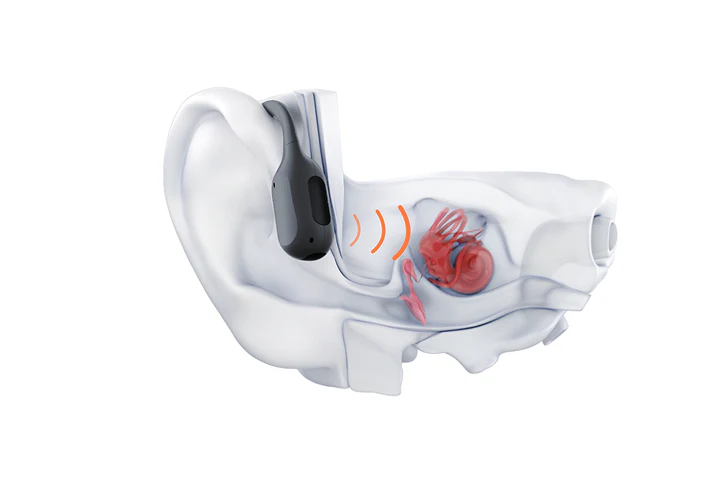
That works because your cochlea is filled with fluid that responds to vibrations whether they come through air or bone. Inside the cochlea, tiny hair cells detect these vibrations and convert them into electrical signals. These signals are then sent to your brain via the auditory nerve, allowing you to perceive sound just as you would through traditional hearing.

Open-ear earbuds, on the other hand, use small speakers positioned near (but not in) your ears and use directional audio technology to beam sound waves directly toward your ear opening without creating a seal. The speakers are angled and tuned to minimize sound leakage while maximizing what reaches your ears.
So both approaches achieve the same goal - allow you hear your music while maintaining full awareness of your surroundings.
Sound Quality and Other Trade-offs You Need to Understand
Let's be honest about the limitations. Open-ear earbuds and bone conduction headphones might never match the audio fidelity of quality in-ear monitors or over-ear headphones. With basic devices, you're sacrificing roughly 30-40% of audio quality compared to traditional headphones and the overall sound can feel somewhat hollow or distant.
Bass is the biggest casualty. Those deep, thumping frequencies that drive workout motivation just aren't there to the same degree. However, newer models are fighting back with interesting solutions. Shokz has incorporated dual bass enhancers in their transducers, while some open-ear designs use larger drivers and sophisticated EQ processing to boost low-end response.
Still, open ear designs can’t compete with sealed ones (at least at the day of this post). But this isn't necessarily a dealbreaker. For spoken content like podcasts and audiobooks, they perform admirably.
Volume limitation is another trade-off. Since these headphones can't create a sealed environment, they're competing with ambient noise. In noisy environments like busy roads or crowded gyms, you might find yourself wanting more volume than the headphones can safely deliver.
Finally, bone conduction headphones create physical vibrations against your skull, which some find uncomfortable or distracting. It's not painful, but it takes getting used to. This sensation is more noticeable at higher volumes and varies significantly between individuals.

Why Runners Choose Bone Conduction and Open Ear Earbuds Over Traditional Headphones
Safety drives most runners to bone conduction. When you're logging miles on roads shared with cars, hearing that approaching vehicle can literally save your life. Trail runners deal with different hazards like mountain bikers approaching from behind, wildlife, or other trail users. On the other hand, traditional earbuds, even with transparency modes, create a barrier between you and your environment.
There's also the comfort factor. No ear canal pressure means you can wear these for hours without the typical ear fatigue that comes with traditional earbuds, eliminating that "plugged up" feeling that some runners hate. Plus, bone conduction headphones that use the wraparound band won't fall out during intense workouts
Many runners also appreciate being able to have conversations without removing anything. When you encounter a friend on the trail or need to interact with others, your ears are already open.
Achieving the Proper Fit
Proper fit is crucial for optimal performance. With bone conduction headphones, the transducers need to make good contact with your cheekbones, just forward of your ears. The band should sit snugly but not uncomfortably tight - you want consistent contact without excessive pressure.
The wraparound band design, while secure, can interfere with ponytails and winter hats, so consider your typical running gear when making a decision.
If you don’t like the band, consider open ear earplugs. The newer open-ear clip style designs like the Bose Ultra Open and Shokz OpenDots use a cuff-like mechanism that attaches to your outer ear. Also, there’s still the ear hook style open earbuds like the Shokz OpenFit and OpenAir.

For open ear earbuds, positioning the speakers correctly relative to your ear canals is critical. Most models allow some adjustment of the speaker angle, and finding the sweet spot can significantly impact audio quality. The speakers should hover just outside your ear canals, close enough for clear audio but not so close that they create partial occlusion.
Many users find that it takes a few runs to dial in the perfect fit. Don't be discouraged if the first attempt doesn't feel quite right - small adjustments in positioning can make a big difference.
Shokz Leads the Pack
While several brands make bone conduction headphones, Shokz (formerly AfterShokz) dominates the running market for good reason. They've been refining this technology for years and currently offer the most reliable options for athletes.
The OpenRun Pro 2 represents their latest advancement, combining traditional bone conduction with small speakers to address some of the technology's inherent limitations. This hybrid approach delivers noticeably better sound quality while maintaining the open-ear benefits that runners need.
For most runners, we recommend starting with the OpenRun Pro series. The battery life hits 12 hours, they're IP55 water-resistant (fine for rain and heavy sweat) and they use USB-C charging. The physical buttons work reliably even with gloves, and the overall build quality handles thousands of miles without issues.

If you want to try bone conduction without the full investment, the basic OpenRun model costs about $50 less but uses a proprietary charging cable and offers slightly less refined sound. The OpenSwim Pro works underwater if you're a triathlete, though you'll need to load music directly onto the device since Bluetooth doesn't work in water.
For runners wanting the earbud form factor, the OpenFit 2 offers impressive battery life (11 hours) with improved sound quality over the original OpenFit. The physical controls are a major advantage over touch-sensitive competitors - you can actually feel when you've activated a control, crucial when wearing gloves or during intense efforts.
The build quality and durability of Shokz products consistently outperform cheaper alternatives. While the initial investment is higher, the longevity and performance justify the cost for serious runners.
The Bottom Line
Open ear headphones aren't about delivering audiophile-quality sound. They're about keeping you connected to your music while staying aware of your surroundings. If you're the type of runner who needs to feel completely immersed in your playlist, stick with traditional earbuds and accept the safety trade-offs.
But if situational awareness matters - whether for traffic, trail safety, or just being a courteous runner who can hear when someone needs to pass - bone conduction and open ear earbuds offer something no traditional headphone can match.
Besides, the technology continues evolving rapidly, with each generation showing meaningful improvements in sound quality and features. What started as a niche solution for specific use cases is becoming a mainstream alternative for active audio consumption.
EXPLORE POPULAR ARTICLES
-

Pronation Guide for Runners: At-Home Test + Best Picks
Feb 27th 2026Understanding how your foot moves is one of the most practical things you can do before buying your
-

-

Brooks Launch 12 Overview: Speed on a Budget
Jan 30th 2026The Brooks Launch 12 proves that you don't need to break the bank to get a lively, responsive ride t

