
Clifton 10 vs Bondi 9: Which Hoka Is Better for You
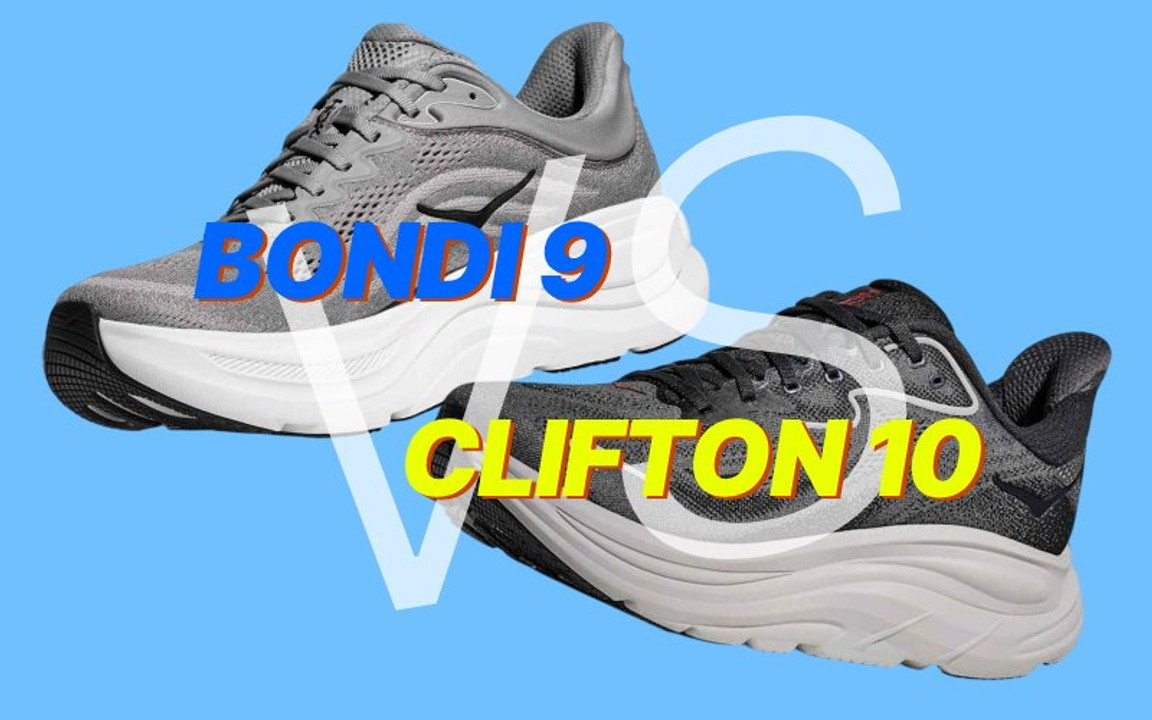
Bondi and Clifton are both max cushioned running shoes built for everyday training. With their tall stack heights, they’re just as comfortable for running as they are for walking ro wearing all day. In this article, we’ll break down the Clifton 10 and Bondi 9 - both released in 2025 - to show what makes each one stand out.
Specs:
|
|
|
Midsole
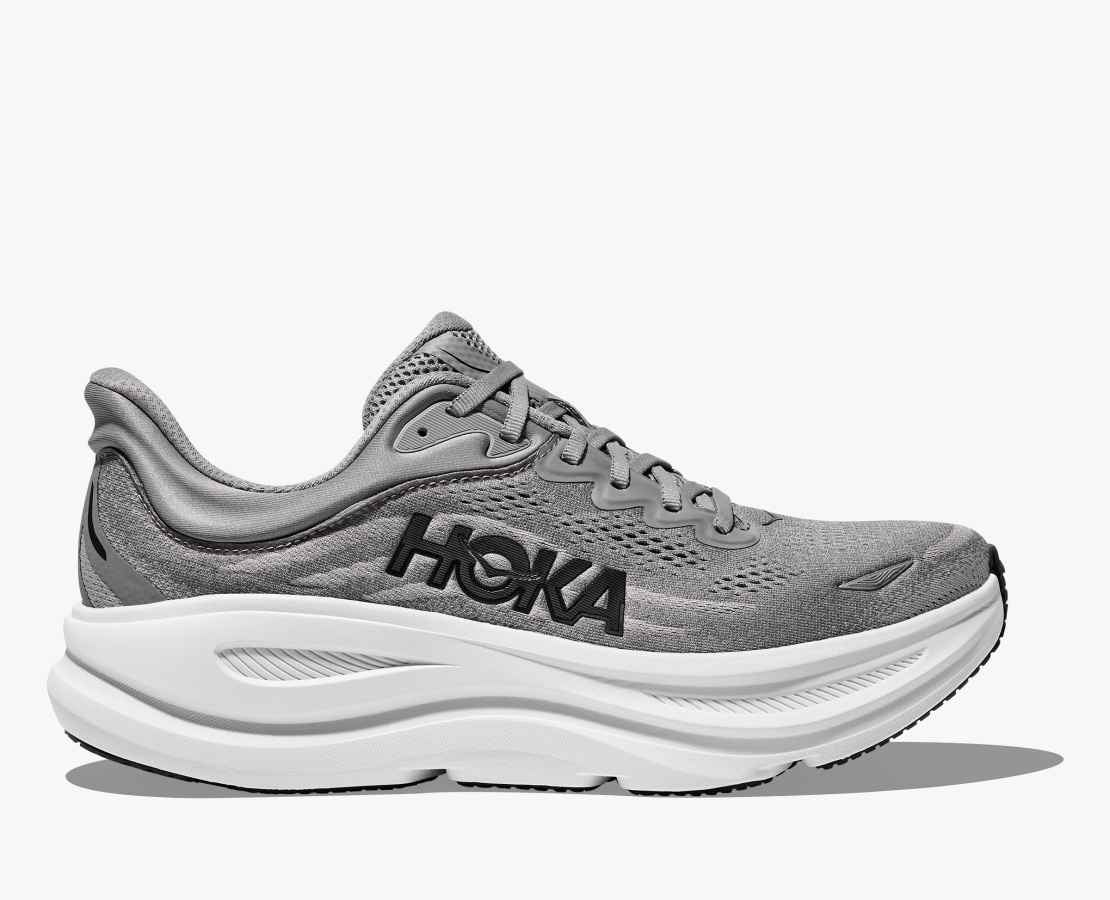
The big difference between Clifton and Bondi is in the midsole. The Bondi 9 uses Hoka's supercritical EVA foam, a nitrogen-infused compound that's lighter and slightly more responsive than traditional EVA. This foam gives the Bondi its characteristic soft, plush feel that absorbs impact really well. You'll sink into this foam slightly more than you would with standard EVA, though don't expect it to be bouncy.
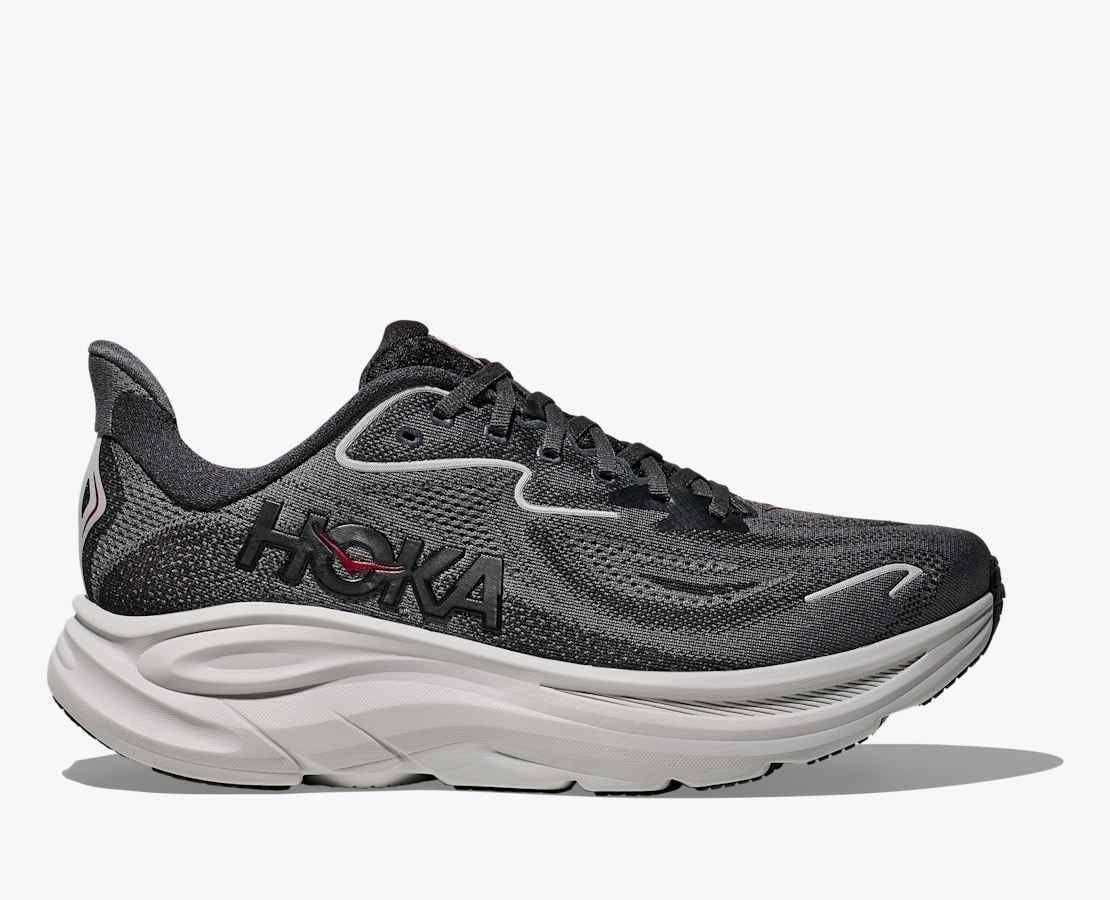
The Clifton 10 sticks with Hoka's tried-and-true compression-molded EVA (CMEVA). While it might sound less advanced on paper, this foam provides a firmer, more responsive platform that many runners actually prefer for daily training. It's not as soft as the Bondi's foam, but it offers better ground connection and a more natural feel during transitions.
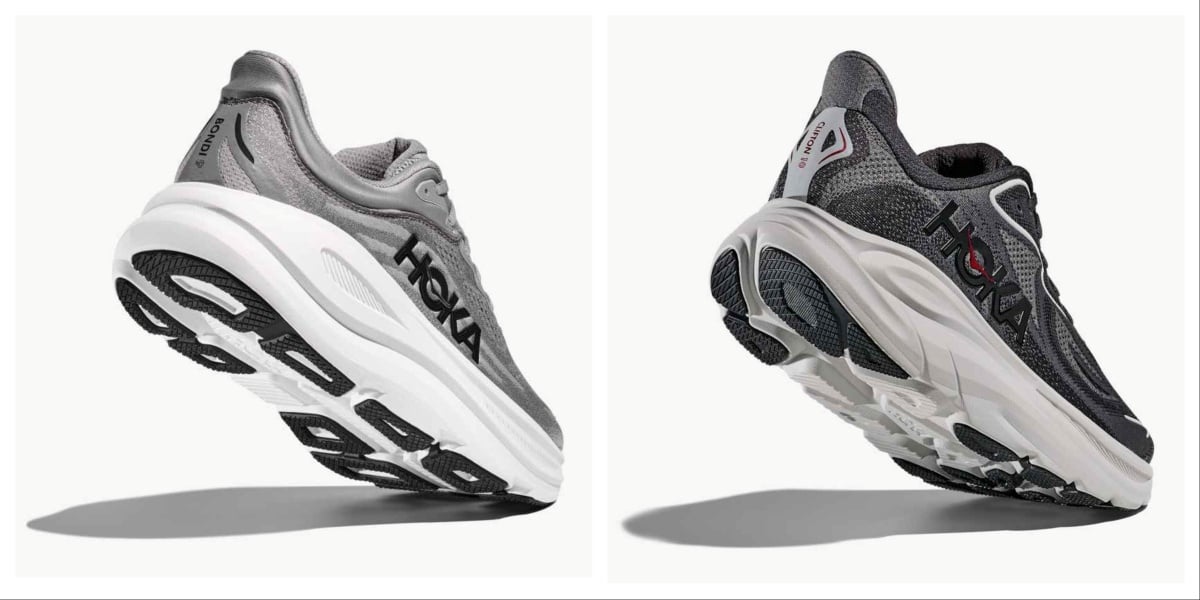
Both midsoles feature Hoka's Meta-Rocker design. The Bondi's rocker feels more pronounced at the heel, helping you roll through your stride smoothly even at slow recovery paces. The Clifton's rocker geometry works better across a wider range of speeds, making it more versatile for different types of runs.
Drop
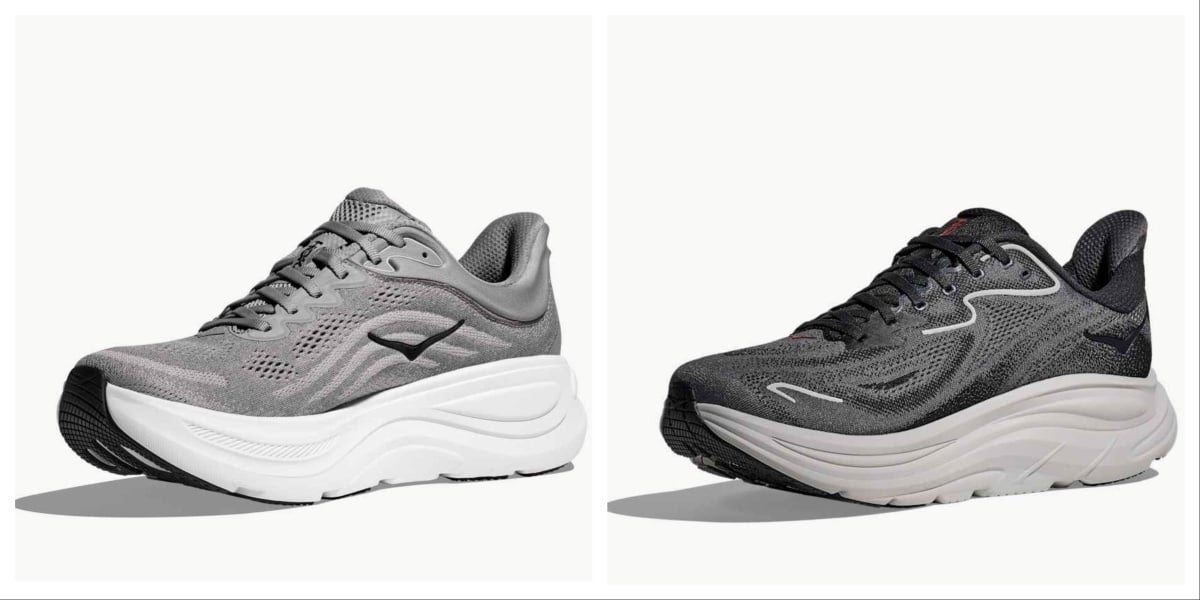
The Bondi 9 maintains Hoka's traditional 5mm drop, while the Clifton 10 breaks with tradition by jumping to an 8mm drop.
The Clifton's higher drop puts you in a slightly more forward-leaning position, which can feel more natural for runners who tend to heel strike. It also helps offload stress from your achilles tendon during longer runs, but on the other hand, it can put more pressure on the balls of your feet during extended standing or walking.
The Bondi's 5mm drop provides more even pressure distribution from heel to toe, making it better for all-day wear or runners who prefer a more neutral foot position. If you're used to traditional running shoes or spend a lot of time walking in your running shoes, the lower drop often feels more natural.
Weight & Stack Height
The Bondi 9 weighs about 297g (10.5 oz) in a men's size 9, while the Clifton 10 comes in at 278g (9.8 oz). That 19-gram difference might not sound like much, but you'll notice it during longer runs or when trying to pick up the pace.
Despite similar heel heights, the Bondi's thicker forefoot stack (4mm more) creates a notably different feel. You get less ground contact and flexibility in the Bondi, which some runners love for protection but others find disconnecting.
Cushioning & Ride
Both shoes offer substantial cushioning, but they approach it differently. The Bondi 9 cushioning is all about plush comfort and protection from impact. It's the shoe you reach for when your legs feel beaten up or when you know you'll be on your feet all day. The supercritical foam does provide a slightly more lively feel than previous Bondi versions, but it's still primarily about comfort over performance.
The Clifton 10 cushioning strikes a different balance. While still providing excellent impact protection, it maintains enough firmness to give you feedback from the ground and support faster paces when needed. It won't pamper your feet quite like the Bondi, but it won't leave you feeling disconnected either.
Fit
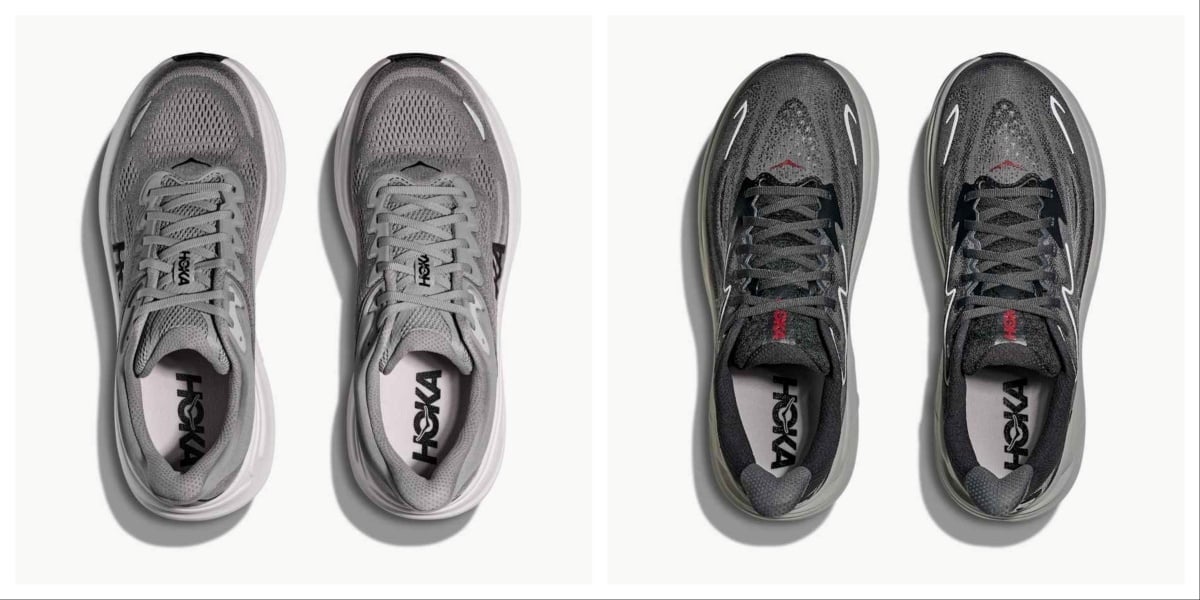
Both fit true to size, but the Bondi 9 is roomier inside and has more volume. It’s great for wide feet, high arches, or runners who just want a more relaxed fit, plus it comes in wide widths. The Clifton 10 fits more like a classic trainer, with a snugger, more locked-down feel thanks to a double lace lock on the tongue.
Toe boxes are different too. The Bondi has a wider, roomier toe box, good for swelling or spreading out your toes. The Clifton is decent but not as generous.
Running Style & Purpose
Bondi 9 is best at easy runs, long slow miles, and standing or walking for a long time. It’s stable and forgiving, but doesn’t like to go fast. If you pick up the pace, it can feel a bit sluggish.
Clifton 10 can handle a lot—easy days, moderate workouts, even some tempo runs. It’s lighter, firmer, and better if you want one shoe to do most of your training. It’s more responsive and lets you turn over faster.
If you’re on your feet all day, Bondi is the top choice. Its softer foam and lower drop are just more forgiving for standing or walking. In comparison, Clifton’s higher drop might create a bit more pressure during long periods on your feet.
Durability & Value
Bondi 9 costs more ($170 vs $150 for the Clifton) but has a more durable outsole, with extra rubber to protect high-wear areas. If you’re tough on shoes or mostly run on hard surfaces, the Bondi will probably last longer. The Clifton 10 will hold up fine for most, but high-mileage runners may see wear on the exposed foam sooner.
Which To Pick?
Pick Bondi 9 if you want max comfort, have achy legs, wide feet, or just want a soft, stable ride. It’s perfect for recovery, easy miles, or standing all day.
Pick Clifton 10 if you need a versatile trainer for lots of paces and workouts. It’s lighter, more responsive, and gives better value for most runners who want one shoe for everything.
Both are great max-cushion Hokas, but Bondi is about pure comfort, and Clifton is about balanced comfort with more performance. Neither is built for speed, but both will keep your feet happy mile after mile.
Hoka Bondi 9
|
Hoka Clifton 10
|
EXPLORE POPULAR ARTICLES
-

Pronation Guide for Runners: At-Home Test + Best Picks
Feb 27th 2026Understanding how your foot moves is one of the most practical things you can do before buying your
-

-

Brooks Launch 12 Overview: Speed on a Budget
Jan 30th 2026The Brooks Launch 12 proves that you don't need to break the bank to get a lively, responsive ride t

