
New BROOKS Defyance Max: What You Need to Know
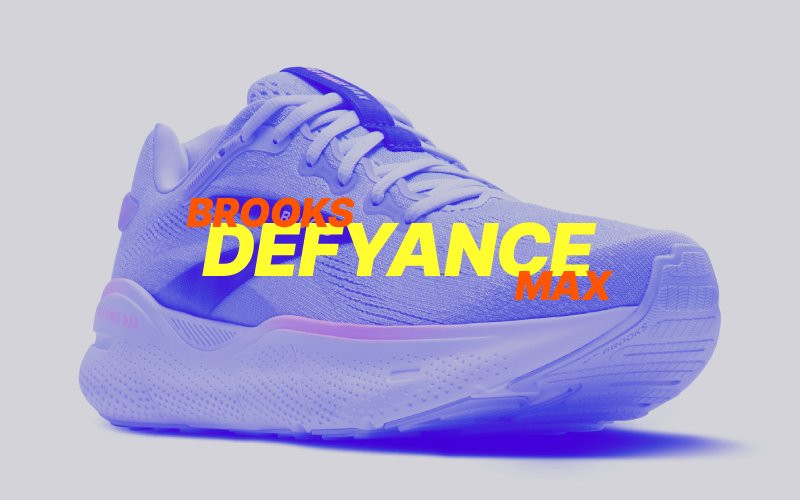
Brooks has just released its Defyance Max shoe, which is basically a rebrand of the original Ghost Max, with a few tweaks. If you were a fan of the Ghost Max 1, you'll probably like this one too, since it brings back a lot of what made that shoe popular.
This strategy isn’t uncommon. Not only fans get the chance to buy their favorite discontinued model; it allows brands to reuse popular midsoles and outsoles, saving on development costs and passing some of those savings to customers.
Now, let’s take a closer look at these new Brooks shoes.
Specs and Build of the Brooks Defyance Max
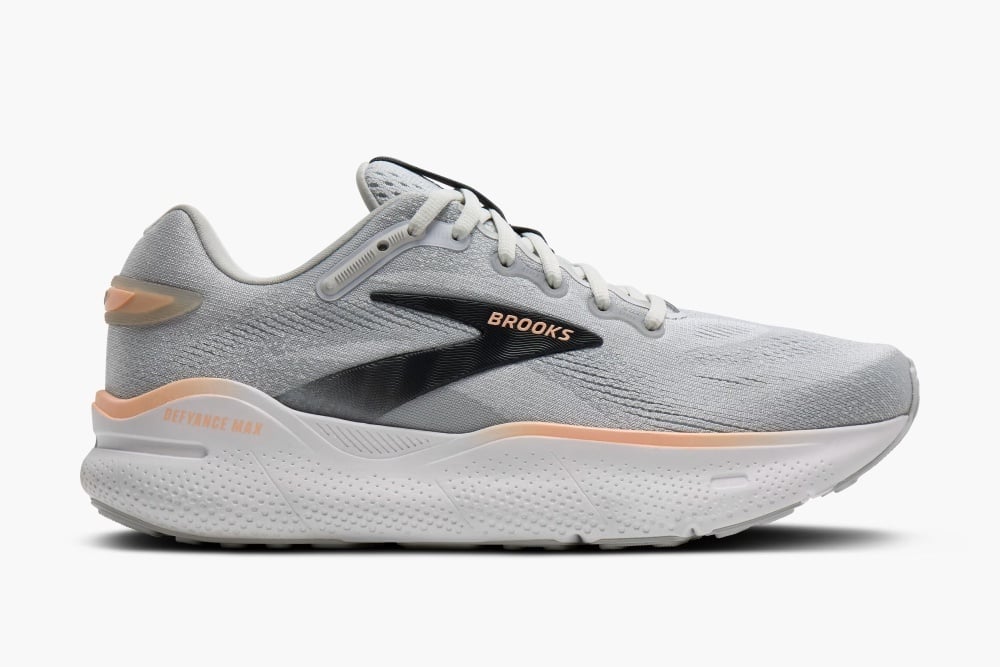
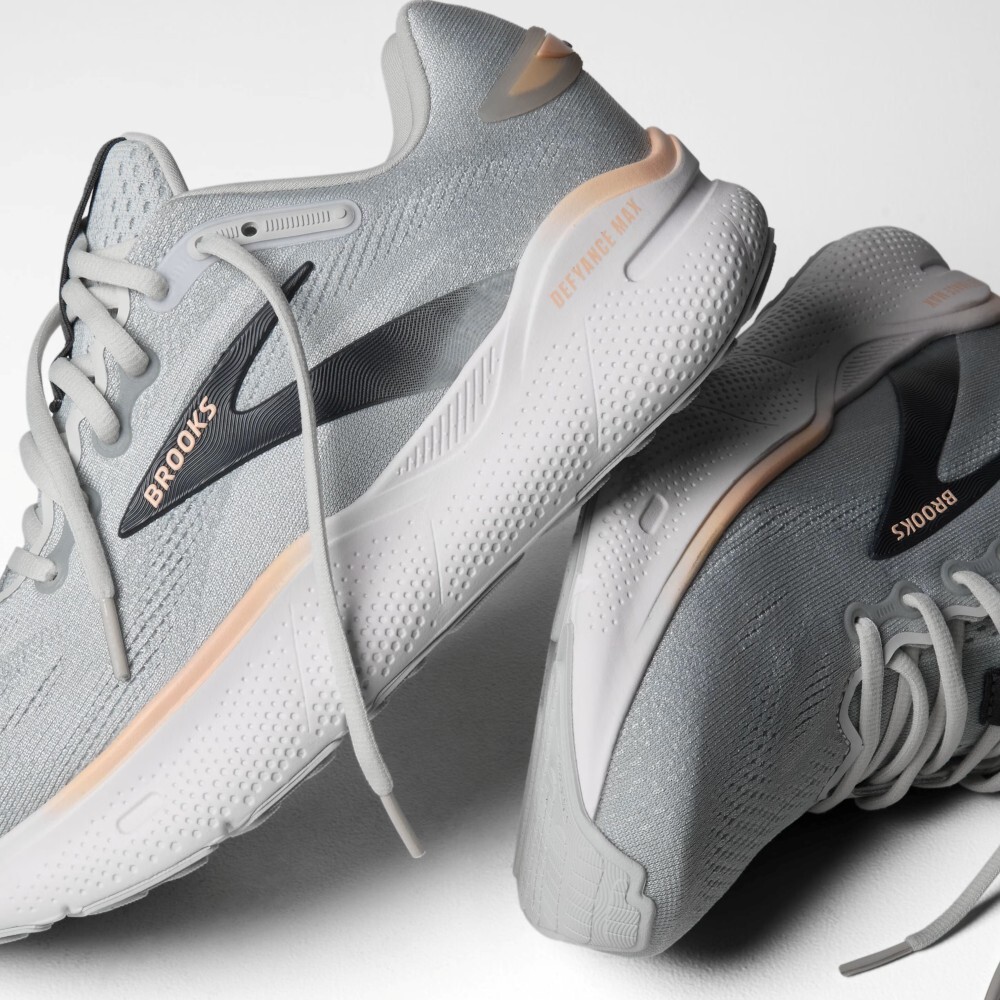
The Brooks Defyance Max is built on the same foundation as the Ghost Max 1: a 6mm drop (39mm / 33mm) and a DNA Loft v2 midsole (this foam was also featured in the Ghost 15). What's particularly interesting about this construction is that despite the impressive stack height numbers, you don't actually stand on top of all that foam. Instead, you sit about two-thirds down into the midsole, creating what could be described as a "bathtub" effect.
The foam gives the shoe a firm, balanced feel rather than a soft ride of typical max-cushion shoes. The shoe isn't exactly lightweight - men's are 10.8oz and women's are 9.7oz.
The stability features are still there. The shoe has a broad base providing great stability in the support phase while allowing for dynamic movement. Also, it features the classic Brooks GuideRails on the sides of the heel and midfoot, working like a gentle rail system rather than traditional torsion control.
The forefoot also has some rocker geometry to help with a smooth toe-off.
What’s really different from the Ghost Max 1 is the upper. It’s a new engineered mesh that allows for better airflow and gives toes more freedom of movement. The tongue is moderately padded but not gusseted, and the heel counter has decent padding.
Unfortunately, the Defyance Max has a slightly more tapered and lower-volume toe box compared to the roomy Ghost Max. While it’s still orthotic-friendly, it might not have the generous space that made the original Ghost Max a go-to for many. Another letdown is that the shoe doesn’t have a wide version, at least at launch.
Read: Brooks Ghost Max 3: Updates Overview
Is the Shoe Right for You?
For walking and standing around all day, this shoe will work well. The firmer midsole provides reliable support, which is why medical professionals and others who spend long shifts on their feet often appreciate this kind of shoe. Many who loved the Ghost Max 1 for hospital work will be happy to see this model return.
For running, it’s best suited for easy miles and shorter distances at relaxed paces but can support you if you pick up the pace occasionally.
As a recovery shoe, it works really well, and will serve for anyone who has a competition shoe and needs a supportive daily trainer, as it offers a surprisingly wide range of uses in normal training thanks to its versatility.
At the same time, be mindful that the firm feel means it's not the most responsive shoe out there. Plus, for longer runs, the weight might become noticeable.
The price is set at $120, positioning it as an entry-level, budget-friendly max cushion shoe. It’s a practical, no-frills option for new runners or anyone looking for a stable, affordable daily trainer.
If you loved the original Ghost Max and wished it was still around, this is essentially your chance to grab a fresh pair.
EXPLORE POPULAR ARTICLES
-

Pronation Guide for Runners: At-Home Test + Best Picks
Feb 27th 2026Understanding how your foot moves is one of the most practical things you can do before buying your
-

-
Brooks Launch 12 Overview: Speed on a Budget
Jan 30th 2026The Brooks Launch 12 proves that you don't need to break the bank to get a lively, responsive ride t

