
Recovery Shoes & Orthotics: How to Choose and Use
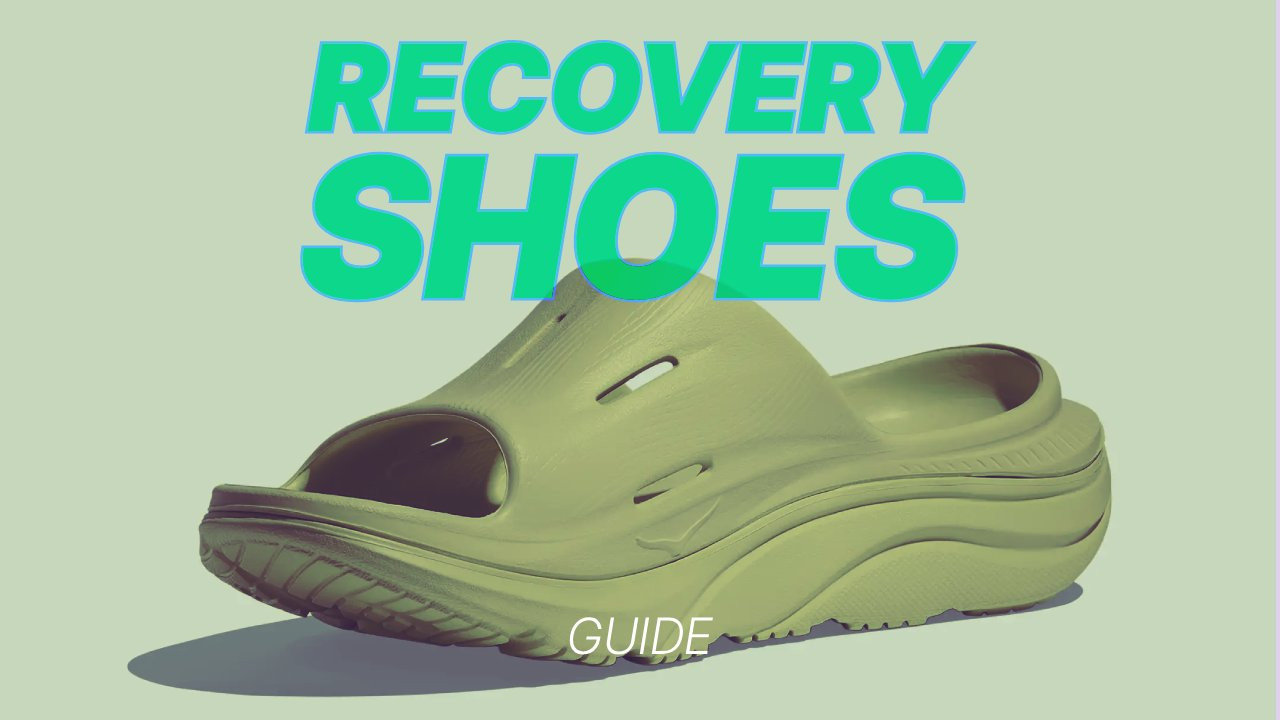
In this guide, we discuss why proper recovery is an important condition for your running progress, what features good recovery shoes should have, why orthotics are good for recovery and injury prevention.
The Physiology: Why Rest Isn't Enough
When you run, your feet absorb force equivalent to several times your body weight. This stress causes micro-tears in your muscles and fascia (even standing for long periods creates a similar fatigue).
Some might think that walking around barefoot or in flat flip-flops might provide relaxation. However, it often makes things worse because your feet don't get the support they need, which actually leads to accelerating wear patterns.
The thing is your feet, ankles, knees, and lower back form a connected chain where misalignment in one area creates compensatory strain elsewhere. Without proper support during recovery, this “cascade of compensation” becomes chronic, leading to conditions like plantar fasciitis, Achilles tendonitis, and degenerative joint pain over time.
Recovery footwear addresses this physiologically. By providing enhanced arch support, deep heel cushioning, and shock-absorbing materials, recovery shoes reduce stress on tired structures, allowing muscles to relax and repair themselves more efficiently. Moreover, improved alignment also enhances blood circulation, allowing oxygen and nutrients to reach damaged tissues faster.
What Stands Behind the Recovery Effect
There’s a common belief that recovery shoes simply need to be soft. If you stood on a marshmallow, it would be soft, but your ankles would roll everywhere.
Effective recovery footwear balances five key elements:
- Impact Absorption: The soles feature thick, specialized cushioning designed to absorb kinetic energy from each step. This redistributes force rather than sending it up through your joints. For instance, OOFOS’s OOfoam absorbs 37% more impact than standard performance foams.
- Active Midsoles: Whether through textured footbeds or specific foam architecture, the midsole design varies pressure patterns to encourage blood flow through the plantar tissues.
- Arch Support: Physical activity strains the plantar fascia (the tissue connecting heel to toe). Recovery shoes provide significant arch support to relieve tension, allowing the ligament to relax.
- Pressure Relief: Anatomically contoured footbeds and spacious toe boxes work together to minimize pressure points.
- Rocker Profile: Many clinical-grade options use a rocker sole design. This shape promotes a smooth heel-to-toe transition, letting the foot roll through a step without forceful pushoff, which spares the Achilles tendon and calves.
Finding the Right Type of Recovery Shoes for Your Life
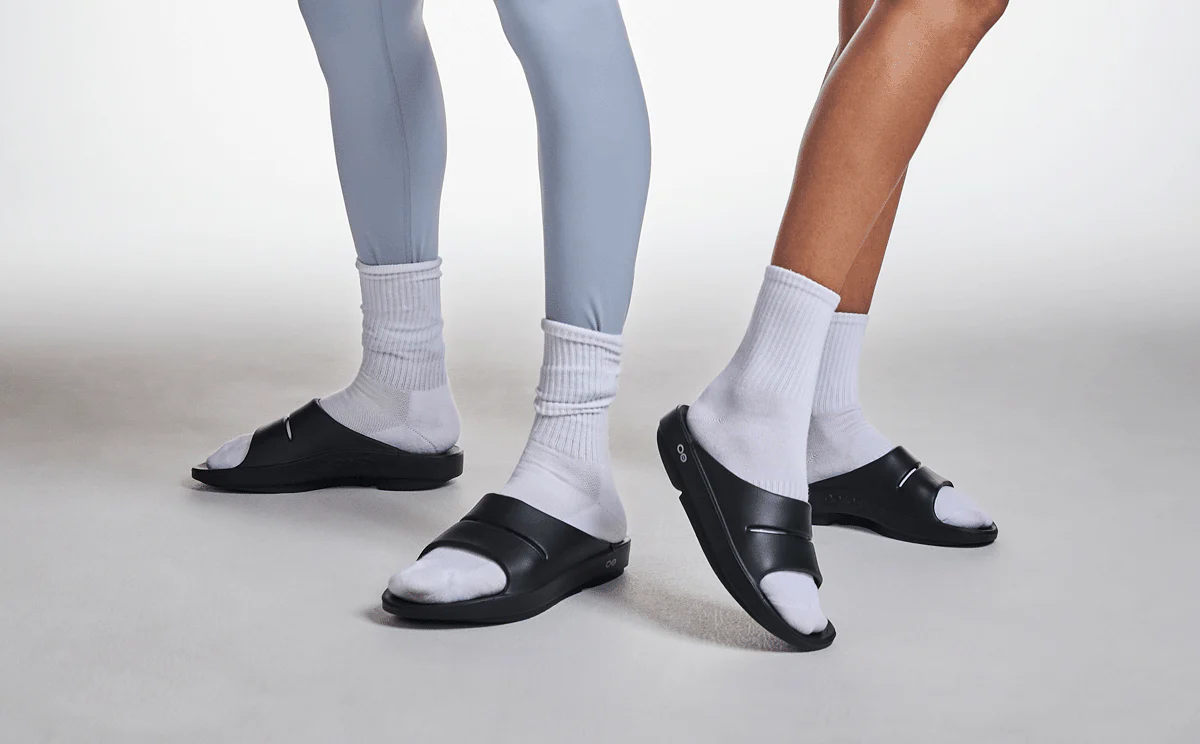
Post-Run Recovery: Slides, Flip Flops, Mules, and Clogs
OOFOS leads the post-run recovery shoe category with its proprietary OOfoam technology. Unlike standard materials, OOFOS foam absorbs 37% more impact. The brand integrates this tech throughout the entire shoe structure - upper, midsole, and outsole - creating a cohesive system that cradles your arches.
Their flagship OOmega OOahh Slide weighs a mere 4.6 ounces. And the OOahh Luxe version adds platform height, which some users find reduces strain even further.
For those who prefer something more open, the OOriginal and OOlala flip flops offer the same benefits in a breezier silhouette, while the OOcloog provides closed-toe coverage popular among nurses.
If you want something more rigid, HOKA offers a supportive alternative. The ORA Recovery Slide balances plush cushioning with their J-Frame technology, a medial guide that stops excessive inward rolling. It uses a dual-layer construction: soft foam near the foot for comfort and a durable bottom layer for longevity. Their latest version includes airflow channels to keep feet cool. HOKA also translates this design into the Ora Recovery Flip and the futuristic Ora Recovery Mule.
Topo Athletic is a good alternative to both brands. Their Revive slip-ons feature a wide, anatomical toe box similar to Altra, allowing your toes to splay naturally. This addresses the complaint that many recovery shoes feel too narrow. By combining this roominess with Zipfoam cushioning and a secure heel lock, Topo creates a versatile hybrid you can wear for errands or light activity without feeling sloppy.
Looking for something different? FitFlop approaches recovery through biomechanics. Their RelieFF line uses Microwobbleboard technology (a triple-density midsole) to diffuse pressure spots and encourage better body alignment.
For runners who prioritize structural support over cloud-like squish, Birkenstock sets the standard. Their Arizona Soft Footbed features a cork-latex midsole that molds to your unique foot shape over time, creating semi-custom support. Podiatrists frequently recommend these for plantar fasciitis because the firm arch and zero-drop design promote natural alignment.
Haflinger offers a similar orthopedic philosophy but focuses on natural materials. Handcrafted in Germany, their wool clogs feature cork-latex footbeds that adapt to your feet, paired with breathable wool uppers that regulate temperature.
Alternatively, Alegria employs a rocker-bottom sole to create a rolling motion, reducing stress on the forefoot and joints, which benefits athletes dealing with metatarsalgia or arthritis.
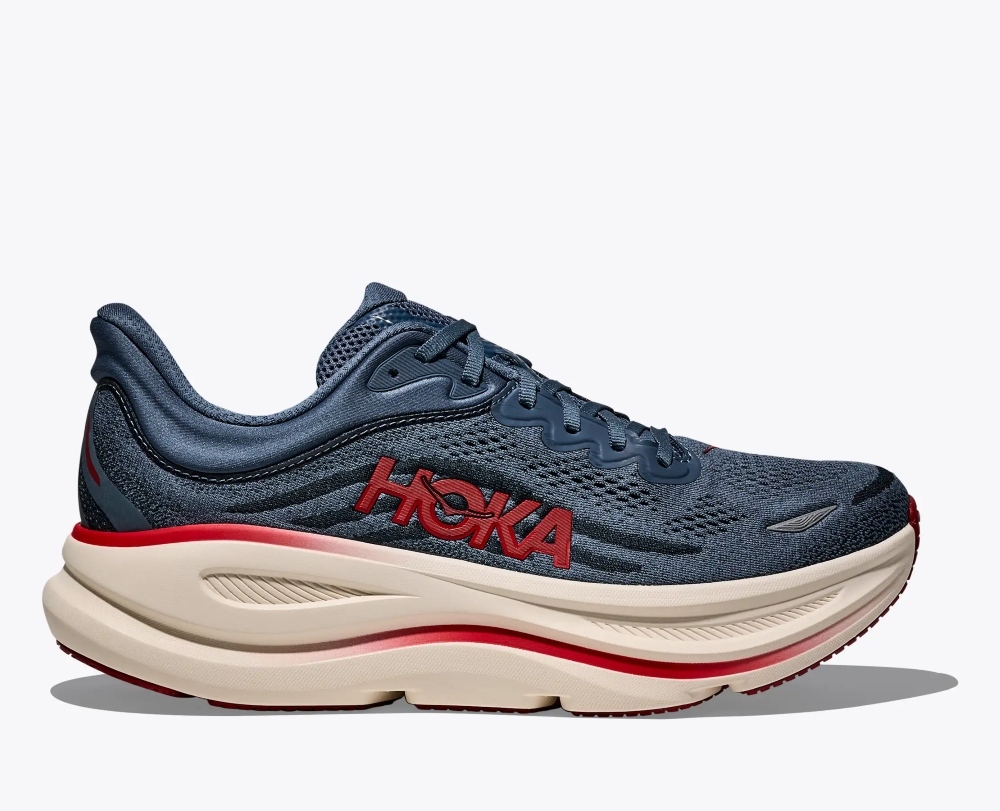
Active Recovery: Running Shoes for the Slow Miles
Sometimes the best recovery is a slow, easy jog. Active recovery trainers protect your legs and are designed to stimulate blood flow rather than build speed.
HOKA defined this category with the Bondi 9, a shoe synonymous with maximum stack height and protection. However, competitors like the New Balance 1080v15, Brooks Glycerin Max 3, and On Cloudmonster Hyper now challenge that dominance, offering massive cushioning.
The ASICS Gel Nimbus also gets a lot of love for its premium materials and protective feel. It’s built for comfort rather than speed, though some runners say their “weird” ride takes some getting used to.
Keep in mind that if you are running your recovery runs too fast, no amount of foam will save you. The purpose of a recovery run is to get blood flowing without straining the muscles. If you can do that in a firm shoe, great. If you need a soft shoe to force you to slow down, that works too.
Orthotics for Recovery
Sometimes, the structure of a mass-produced shoe cannot address specific biomechanical issues like severe overpronation or plantar fasciitis. In this case, some may find wearing orthotics during the run or post-run effective for recovery. The principle is the same - orthotics align the foot structure, which helps facilitate better blood flow and reduces strain on the plantar fascia.
Unlike generic insoles that add merely soft padding, therapeutic orthotics address the root biomechanical issues that cause pain, poor performance, and injury.
Brands like Aetrex, Superfeet, and Currex offer excellent over-the-counter options that bridge the gap between standard insoles and full custom prescriptions.
For instance, Aetrex Speed Orthotics use memory foam and advanced polyurethane to absorb shock without losing shape. The tiered fit system (A through D) addresses specific needs like high arches or overpronation, making them a strong choice if you need a precise match for your foot profile.
Superfeet insoles are designed to provide firm, total contact with the arch, rather than just soft cushioning. The Green model is particularly well-known for offering substantial support. Because of their dense foam base and heel cup, these insoles hold up well over hundreds of miles, offering consistent alignment.
The philosophy of Currex is that support needs to be dynamic. The RunPro insoles feature an arch that adjusts as you move, which prevents the support from feeling too rigid. They also decouple the heel from the forefoot, using different materials for impact absorption and energy return.
MegaComfort serves a different need, focusing on anti-fatigue for those standing all day. While not strictly for running, their dual-layer memory foam reduces friction and cushions impact during shifts.
For severe issues, however, seeing a specialist for custom molding is often the best investment you can make.
Integration Into Your Running Program
The most effective athletes integrate orthotics and recovery shoes into a comprehensive program that addresses prevention, performance, and recovery across the training cycle.
During Build Phases (when increasing mileage or intensity), wearing orthotics in training shoes becomes critical for injury prevention. The biomechanical alignment and pressure redistribution minimize cumulative microtrauma from repetitive impact.
Post-Workout Recovery Windows (0-4 hours post-exercise). The fresh trauma, elevated inflammatory response, and depleted muscular support system mean your feet are most responsive to recovery interventions during this period.
Post-Injury Phases require both orthotics (in appropriately limited activity) and extended use of recovery shoes.
EXPLORE POPULAR ARTICLES
-

-

Brooks Launch 12 Overview: Speed on a Budget
Jan 30th 2026The Brooks Launch 12 proves that you don't need to break the bank to get a lively, responsive ride t
-

Recovery Shoes & Orthotics: How to Choose and Use
Jan 27th 2026In this guide, we discuss why proper recovery is an important condition for your running progress, w

