
Selecting the Best Running Shoes for Heavy Runners [2025]
![Selecting the Best Running Shoes for Heavy Runners [2025]](https://cdn11.bigcommerce.com/s-eeul26hjka/images/stencil/1280x720/uploaded_images/template-shoes-for-heavy-runners-1-.jpg "Selecting the Best Running Shoes for Heavy Runners [2025]")
Running ranks on the list of activities anyone can enroll in. You don’t need any specific equipment, like a tennis racket for tennis or a ball for soccer. It is a universally accessible form of exercise. However, you still need some things to make the most out of each run. Finding those things is unequally difficult for different people. If you lean on the heavier side, you might find it more complicated to find the shoes that meet your needs. The majority of running shoes are designed with a focus on a different category of runners, but take heart, there are still plenty of options. You just need to learn how to find them. And that’s exactly what we’ll do today.
Understanding the Basics
When it comes to choosing and how-to guides, there is always some terminology involved. If you were an experienced runner, well-versed in the matters of running shoe choosing, we bet you wouldn’t need to read a guide to help you choose running shoes. But our target audience is people who are only at the beginning of their running paths, and so our bet is that many terms might make no sense. Since there will be a lot of information regarding all parts of the running shoes, it might be useful to get to know those parts before learning more about them.
Anatomy of a Running Shoe
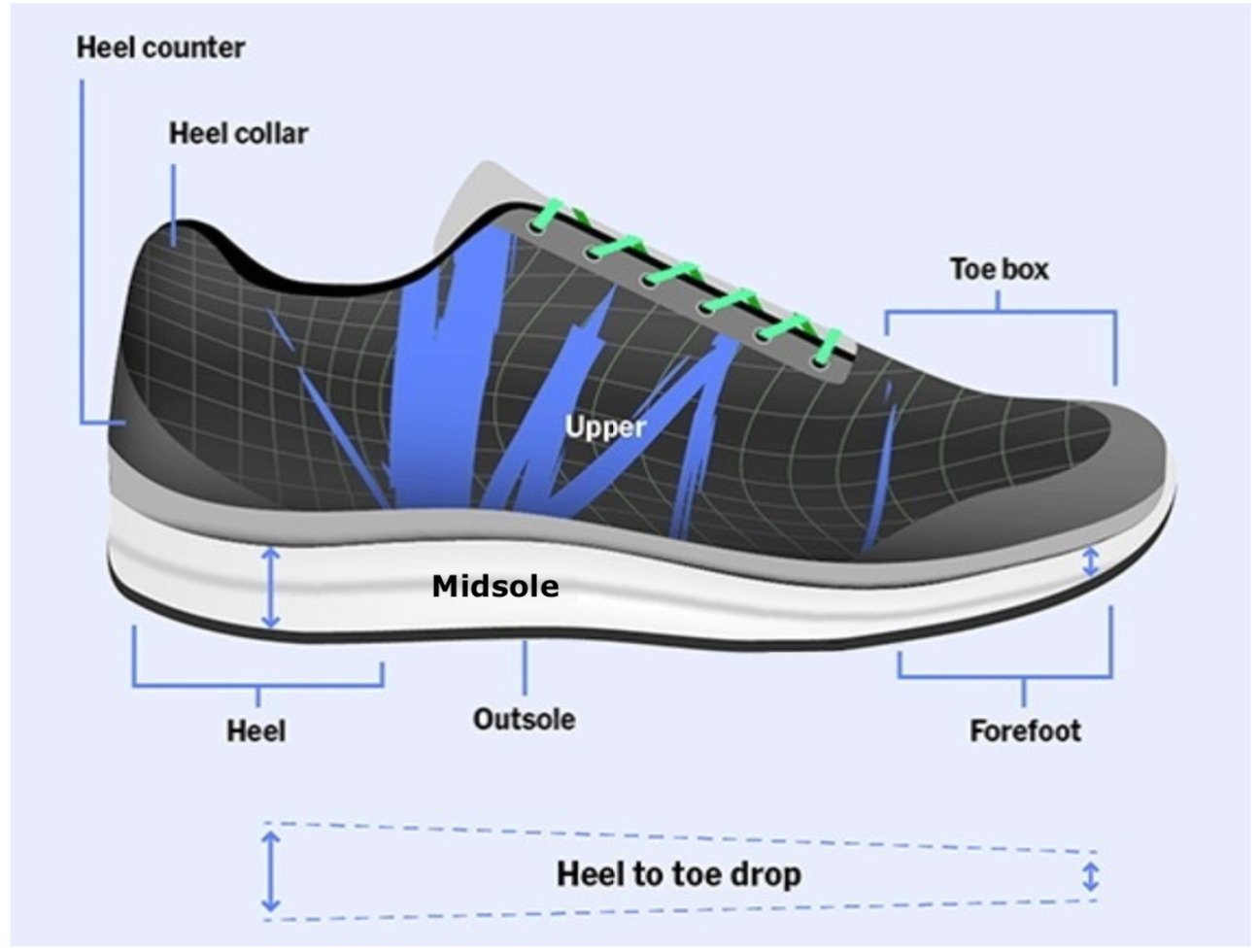
A running shoe is a complex assembly designed to address several issues that runners experience during running. Some parts of our feet need protection, some need support and all of them need comfort. Here are the key components you need to know about:
Upper: The upper part of the shoe wraps around the foot's top and is usually made from synthetic materials. It needs to be durable, flexible and breathable. Engineered mesh or knit materials are often used for uppers due to their combination of strength and ventilation.
Toe Box: The front part of the shoe that houses the toes. A properly designed toe box allows enough room for the toes to spread naturally without constriction but is never too spacious. The bottom part of the toe box is called forefoot.
Midsole: The midsole is arguably the most critical part of a running shoe, the one responsible for providing cushioning and shock absorption. It's usually made from foam compounds that compress under pressure but return to their original shape upon release, offering a balance between softness and responsiveness.
Outsole: The outsole contacts the ground and is typically made from rubber or similar material for traction and durability. The pattern and depth of the tread can vary depending on whether the shoe is designed for road running or trail running.
Heel Counter: This component cradles the heel and provides rearfoot stability. A firm heel counter helps control motion for runners who overpronate (roll their feet inward excessively).
Significance of Proper Fit and Support
A proper fit is paramount for both shoes and apparel. If you never had to suffer through the ordeal of wearing shoes that don’t fit, consider yourself lucky. Unfortunately, blisters and calluses are common companions for some runners. The same goes for injuries - inadequate support or cushioning increases the chances of you hurting yourself. To prevent all of these troubles from finding you, a proper fit is a must. There is no single recipe for it, but there are some staples you can lean on and go from there.
Selecting Running Shoes
As a rule, guides like this unavoidably oversimplify things. After all, we take a big group of people and claim to have a solution that will suit each one of them. And solutions like that never work the way they are advertised - we are all simply too different. There are some very common misconceptions related to choosing running shoes for heavier runners, and most of them trick people with their appealing simplicity. It’s easy to say “Just go for the ones with the softest cushioning” and leave it at that. But such a simple piece of advice is bound to fail. Here are some more simple prescriptions that have all the chances of leaving you worse than you were.
Softer Cushioning Is Always Better - False
It is believed that the softer the shoe, the better it is for shock absorption, which is a crucial feature for heavier runners who exert more force with each step. However, this isn't necessarily true. There is no evidence of a direct correlation between increased softness and better shock absorption.
Even more than that, a cushioned shoe that feels supportive enough for a lighter runner might throw a heavier one off balance. That lack of sufficient support means more workload for the body which it strives to compensate with each further step. That strain increases the risk of injuries and makes running harder and less enjoyable than it should be.
Besides, soft cushioning is much less durable. We are talking about the standard EVA foam compound used in the majority of cushioned running shoes. Midsoles that feature this material tend to wear off pretty quickly, after a few hundred miles. And a heavy runner will see their cushioned shoes wear down even faster. Moreover, excessive softness can cause the shoe to bottom out, making parts of the outsole felt during runs,
Newer foam compounds address the issues of the older version, and there are cushioned running shoes that could still make for a great choice for heavy runners. However, you will need to enquire about the foam material and clarify whether it’s one of the newer models. And the answers might not always be truthful. Unless you are shopping in the Run United physical store. We have all sorts of shoes so there is no point in coaxing you into buying something you won’t find useful.
If cushioning isn’t always the solution, then its opposite, stability, should be a more likely answer, right? Well, not always. Whereas firm running shoes are indeed more suitable for heavier runners, the way this stability is achieved in traditional running shoes isn’t particularly suitable for heavier runners. Hence the next misconception we’ll touch on.
Stability Shoes Are Always Better - False
Stability shoes, designed with a firmer inner midsole to prevent inwards rolling of the foot usually come with a softer outer sidewall. Such a construction might cause the body weight to lean laterally following the path of least resistance. And since we are talking about heavy runners, there will be more weight to follow that path. This can bring about discomfort rather than the stability you counted on. Not all stability shoes have this drawback, but as you can see, going for just any stability shoe won’t work.
So, what do we have at the end? Neither of the shoe types is an absolute favorite. And, since those are two extremes of the same spectrum, there is only one place for us to go - in the middle.
Seek Cushioned Yet Supportive Shoes
It's crucial to find shoes that offer a balance between cushioning and support. Cushioning, though not a panacea, is necessary to protect the feet from impact forces. At the same time, the shoe needs to be supportive enough to handle a heavier weight without compromising stability.
We understand that this piece of advice doesn’t necessarily make things easier. We could have just said “The softer the cushioning, the better the shock absorption” and leave you at that. But you will need to do some browsing before settling for that one pair you’d acquire.
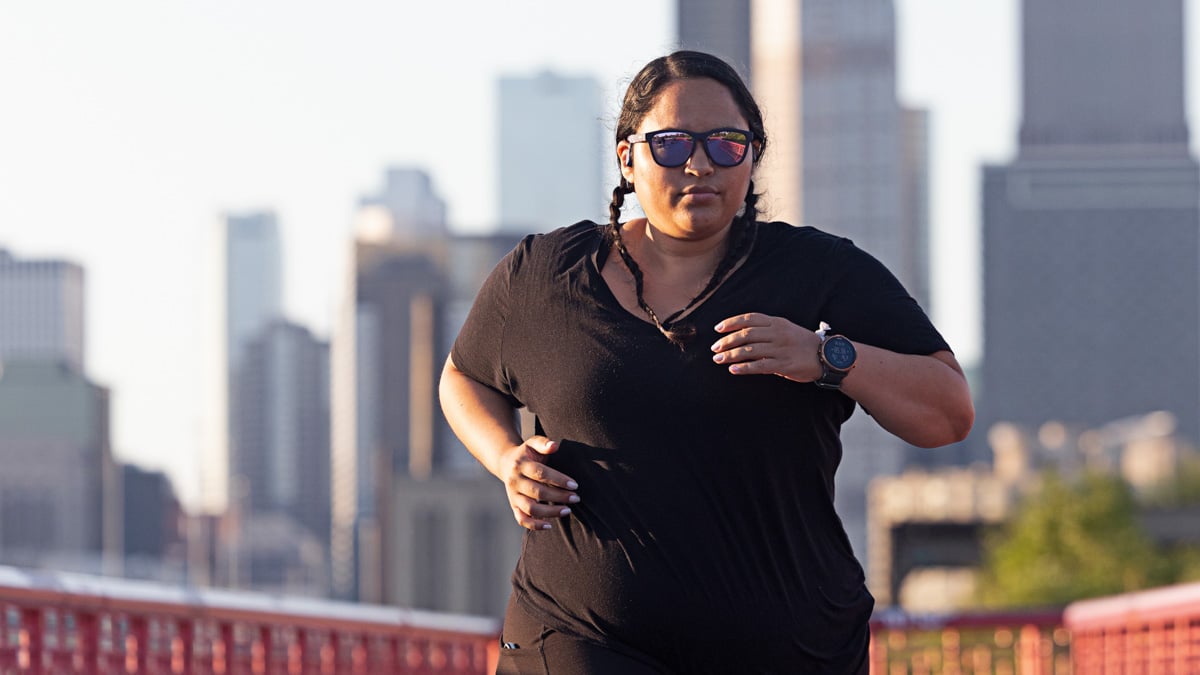
Here are a few more pieces of advice you can keep in mind while looking for that one pair.
Consider the Shoe's Width and Volume: It might seem very apparent, but the shoe needs to accommodate your foot's width and volume. Heavier runners often have broader and more voluminous feet, so the shoes need to have ample space without constricting movement. North American brands have no problem offering wide-size options, but the same can’t be said about many European brands, which tend to run narrow.
Prioritize Stability Features Over Softness: If we are leaning somewhere on the “softness-stability” spectrum, it is in the direction of stability. But the midsole isn’t the only feature responsible for stability. A wide platform, guide rails, a stiff (non-flexible) heel counter and strategically placed firm cushions can offer both the stability and support needed without the drawbacks of being overly soft.
Comfort Is Key: With all this race for functionality and performance, it’s easy to forget that the shoe must be, first and foremost, comfortable. No amount of advanced technology, marketing or convincing words can substitute for how the shoe feels on your feet. Comfortable shoes encourage better performance by simply feeling good on your feet.
Professional Gait Analysis: Even though the weight might be a uniting factor, the gait is 100% a differentiating one. They are also the reason why it’s so hard to give advice that a lot of people could apply. If you want to learn more about your gait, visit a specialty running store for professional gait analysis - this thing is impossible to do on your own. Run United just happens to have both equipment and specialists who can give you personalized shoe recommendations based on your running form, weight, and specific needs. If you live in or near North Richland Hills, drop by, we are always happy to help.
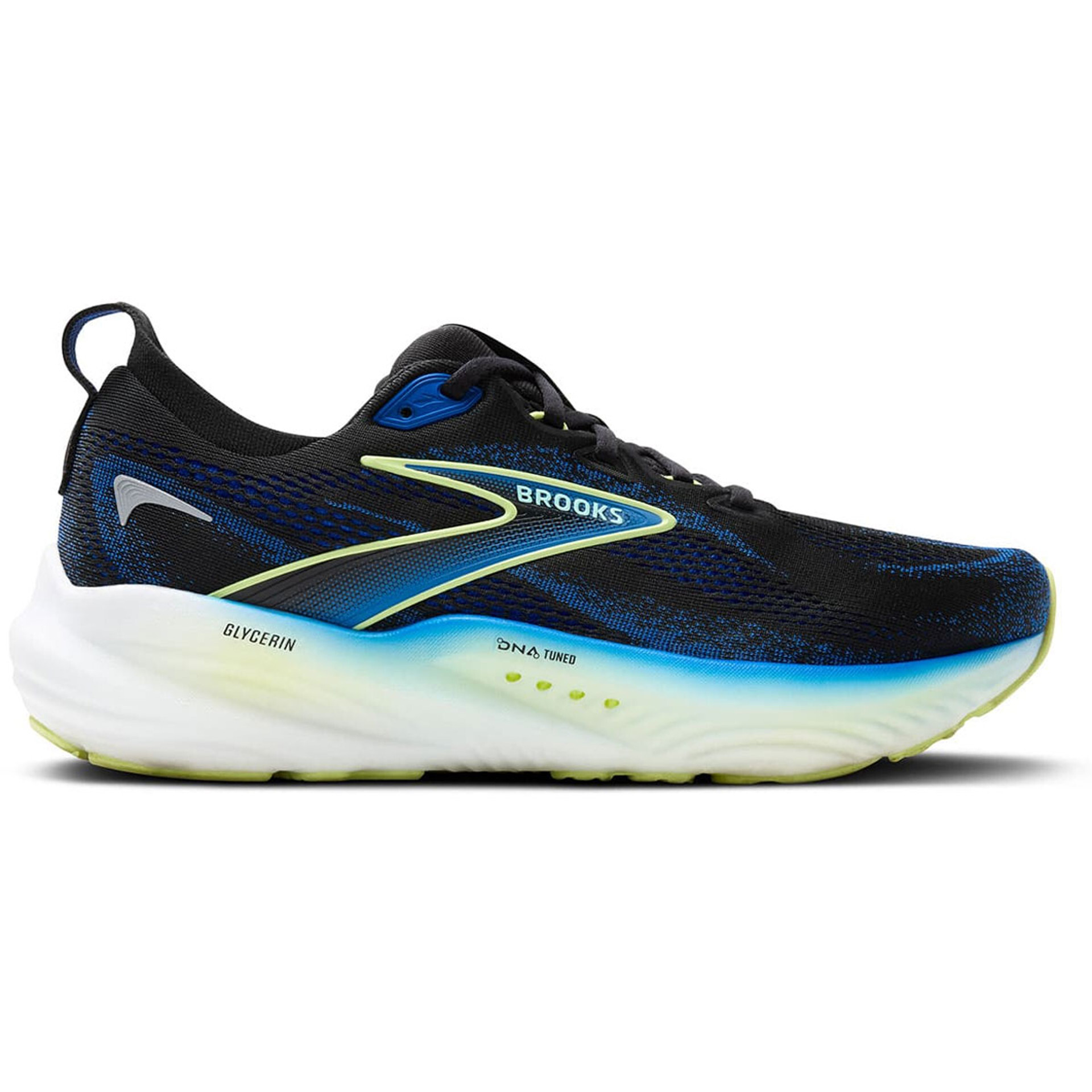
Brooks Glycerin 22
If you're looking for a shoe with soft cushioning and good support, the Brooks Glycerin 22 is a great choice. The latest version has a new midsole technology called DNA Tuned, which uses nitrogen-filled foam "pucks" in the heel and forefoot. This makes landings softer and toe-offs feel more springy.
The cushioning is generous but doesn't feel too mushy. With a 38mm heel height, it offers plenty of protection from the pavement, which is great for reducing impact on your joints. The shoe is also built on a wider base with a firmer foam frame, which helps keep the ride stable even with all that cushioning.
The upper is made from a double jacquard knit that gives it a high-quality, comfortable fit. It keeps your heel locked in, and a thick, padded tongue prevents pressure from the laces. It is a bit heavy for a daily trainer at 10.2 oz, but it feels lighter when you're actually running. The tough rubber outsole also means it will last for many miles.
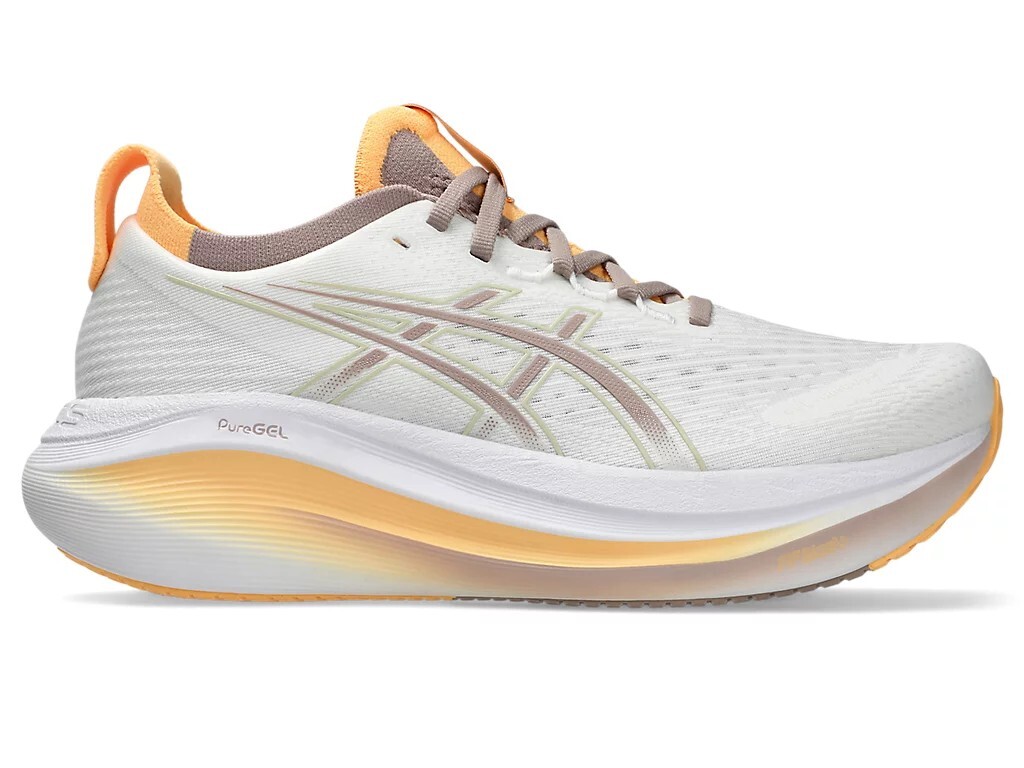
ASICS Gel-Nimbus 27
The ASICS Gel-Nimbus 27 continues to offer a cloud-like feel for runners who want extra cushioning and support. It’s designed for comfort, making it a perfect pick for recovery days and easy-paced runs.
The shoe has a high stack of FF BLAST PLUS ECO foam (43.5mm in the heel), which is excellent for absorbing impact and protecting your joints. The new version of this foam is lighter than before, though the shoe still feels pretty solid. The ride is soft but not squishy, so you can still feel the road, especially in the forefoot.
A standout feature is the Hybrid ASICSGRIP outsole, which gives you amazing grip, even on wet surfaces. For a shoe with so much cushion, the Nimbus 27 is also very stable. This is because of its extra-wide base, which helps prevent twisting. The new engineered mesh upper is both breathable and stretchy, giving you a snug, comfy fit without any rubbing.
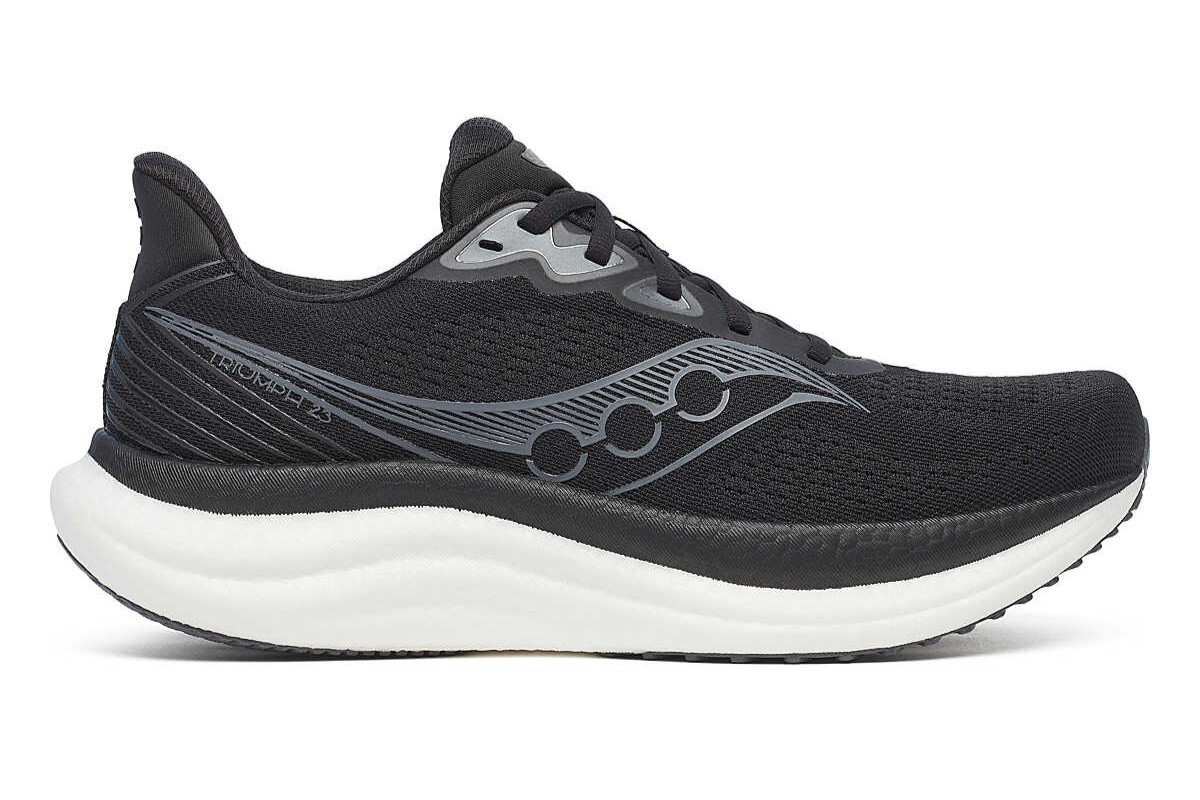
Saucony Triumph 23
The Saucony Triumph 23 brings back what made the Triumph series popular: a mix of soft cushioning and a responsive feel. After the heavier Triumph 22, this version is over an ounce lighter, making it feel quicker and more versatile.
The midsole uses a new PWRRUN PB foam that is softer, lighter, and more energetic than the old one. It provides a springy feel that's great for daily training and longer, medium-paced runs. The shoe has a 37mm stack height, offering plenty of cushioning without feeling slow or heavy. Its more traditional, less-rockered shape gives you a predictable and smooth ride.
Stability is also good, thanks to a wide platform and a slight flare on the inside of the rearfoot that offers some guidance. The upper has a dense engineered mesh that provides a secure fit, which is great for people with narrow to medium-width feet. To save weight and improve flexibility, the outsole has less rubber in the middle, while new mini lugs in the forefoot improve grip for a solid toe-off.
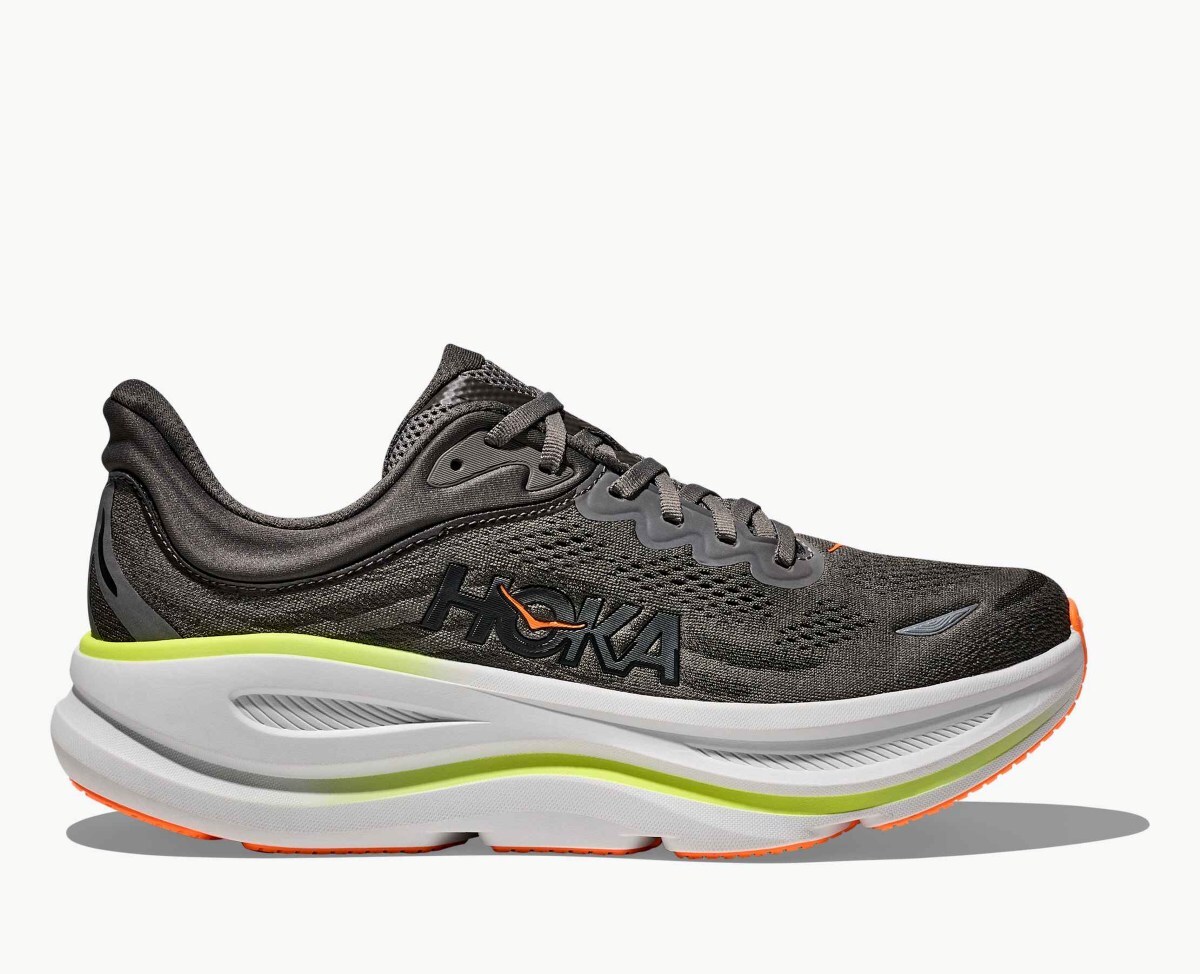
Hoka Bondi 9
The Hoka Bondi 9 is a great choice for runners who want maximum cushioning and a supportive, stable ride. It boasts excellent shock absorption, perfect for protecting your joints on long runs or easy recovery days.
The shoe has a huge stack of new supercritical EVA foam (43mm in the heel) that feels both soft and responsive. This foam is lighter than in older versions but still delivers that classic, cushioned Hoka feel. The ride is balanced by a wide base and midsole sidewalls that make it more rigid and help guide your foot, preventing it from moving around too much.
The step-in comfort is fantastic, with lots of padding around the heel and a soft tongue. The engineered knit upper is breathable and fits different foot shapes well. Even though it's a big shoe, the Bondi 9 has a smooth rocker shape that helps you roll through your stride easily. It’s built to last and is best for slow, steady paces, making it a dependable choice for heavier runners.
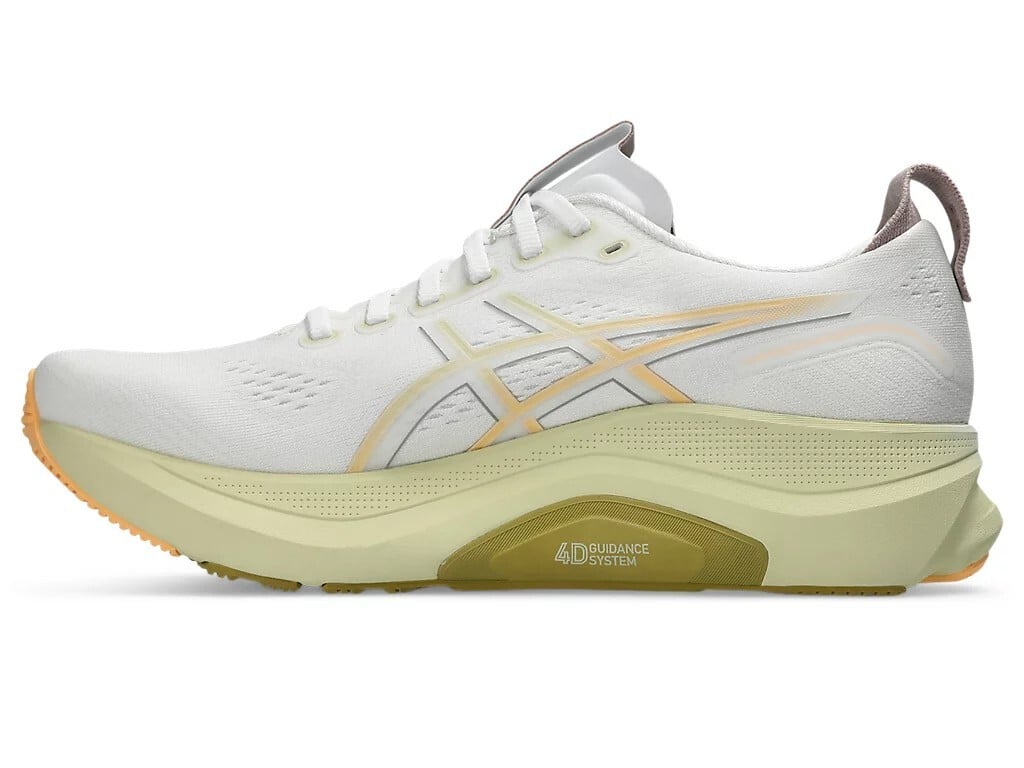
ASICS Gel-Kayano 32
The ASICS Gel-Kayano 32 is a top-quality stability shoe that offers strong support without feeling too stiff. It's an ideal daily trainer for runners who overpronate or just prefer a more structured and secure ride for easy miles and long-distance training.
The shoe gets its stability from its 4D Guidance System and a wide base, which work together to guide your foot naturally. The midsole uses FF Blast+ foam and has a high stack height of 40mm in the heel, giving you great shock absorption and a comfortably firm feel. A redesigned heel makes for a much smoother transition from landing to toe-off compared to older models.
The upper is an engineered stretch knit that provides a secure, adaptive fit with good breathability. The outsole uses two types of rubber for great traction and durability. At 10.5 oz, it is on the heavier side, so it's better for slower paces than for speed work. If you need reliable support that feels comfortable and natural, the Kayano 32 is a top choice.
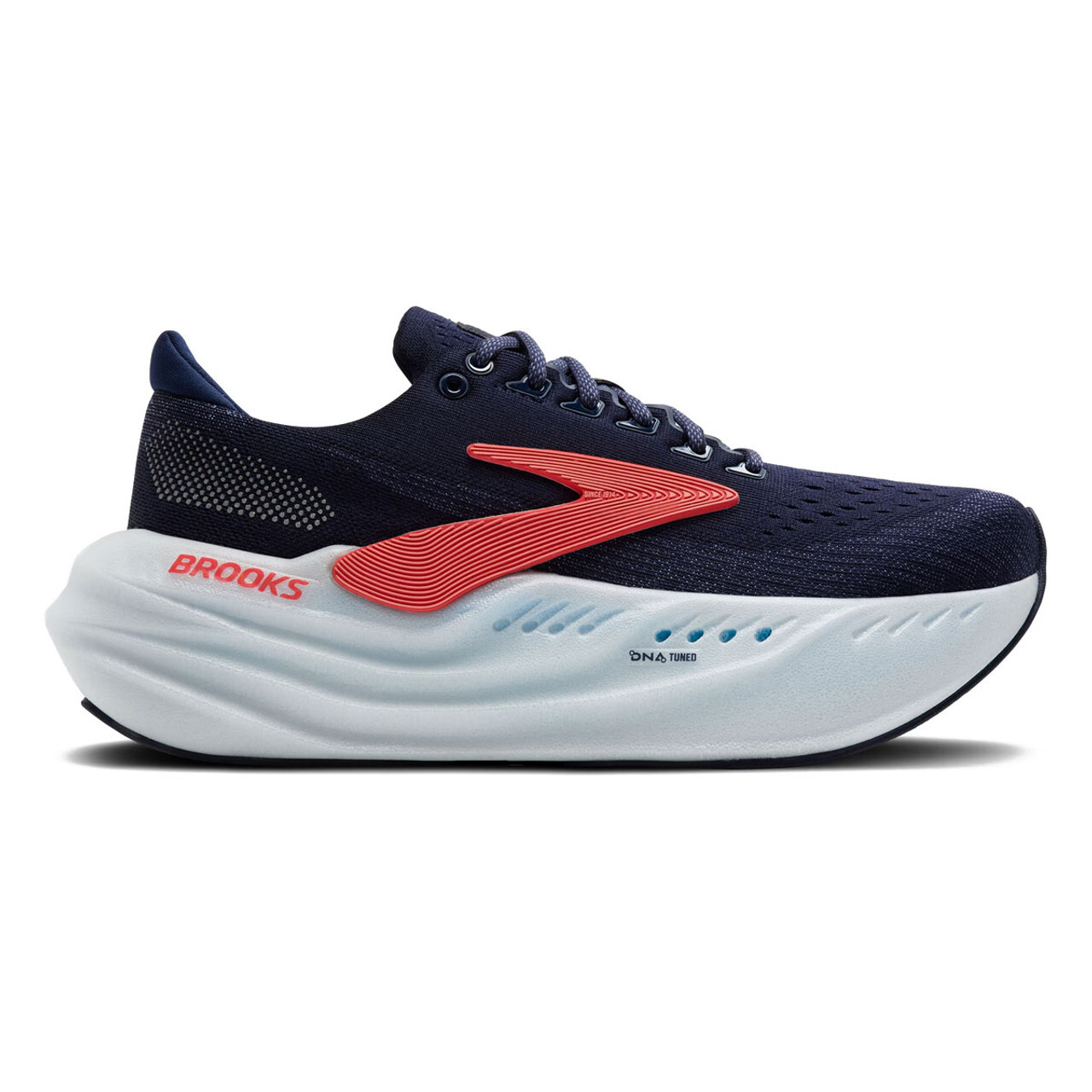
Brooks Glycerin Max
The Brooks Glycerin Max is made for runners who want the most shock absorption possible. This shoe is all about protecting your legs from impact, making it a great option for heavy runners on long runs or recovery days.
Its main feature is a huge stack of DNA Tuned midsole foam, which is 47mm high in the heel. This cushioning is amazing at softening impact, reducing the stress on your joints with every step. The shoe also has a strong rocker and toe spring, which helps create a surprisingly smooth and fluid transition, guiding you from landing to toe-off.
Even with its tall height, the Glycerin Max feels stable. The midsole is naturally stiff, which stops it from feeling wobbly. The upper is plush and very breathable, keeping your feet comfortable even on longer runs. While it's a heavier shoe, the rocker design helps it feel less clunky on the move. For pure, maximum cushioning and impact protection, the Glycerin Max is tough to beat.
FAQs
What makes running shoes suitable for heavy runners?
Running shoes for heavy runners need to offer a balance between cushioning and support to accommodate higher impact forces, ensure stability, and prevent injuries. They should have durable midsoles, supportive features, and be designed to handle the extra weight without compromising comfort.
Can soft cushioning in running shoes be a disadvantage for heavy runners?
Yes, while soft cushioning might seem beneficial for shock absorption, it can actually lead to instability and increased risk of injury for heavier runners. Shoes that are too soft may lack the necessary support, leading to overpronation and discomfort.
What are some key features to look for in running shoes for heavy runners?
Look for shoes with ample width and volume to accommodate broader feet, prioritize stability features over extreme softness, and ensure the shoe offers a comfortable fit. Additionally, consider shoes with a wide platform, guide rails, a stiff heel counter, and strategically placed firm cushions for balanced support and cushioning.
Why is professional gait analysis recommended for heavy runners looking for the right running shoes?
Professional gait analysis can provide personalized recommendations based on an individual's unique running form, weight, and specific needs. Since every runner's gait is different, this analysis helps identify the most suitable shoes that offer the right balance of cushioning, support, and stability.
Are there specific running shoe models recommended for heavy runners?
Yes, some of the recommended models include the Brooks Glycerin 20, ASICS Gel-Nimbus 25, Saucony Echelon 9, and Triumph 21. These shoes are praised for their blend of support, cushioning, and durability, making them suitable choices for heavier runners in need of stable and comfortable footwear.
EXPLORE POPULAR ARTICLES
-

Pronation Guide for Runners: At-Home Test + Best Picks
Feb 27th 2026Understanding how your foot moves is one of the most practical things you can do before buying your
-

-
Brooks Launch 12 Overview: Speed on a Budget
Jan 30th 2026The Brooks Launch 12 proves that you don't need to break the bank to get a lively, responsive ride t

