
The Best Stability Running Shoes for Overpronation [2026]
![The Best Stability Running Shoes for Overpronation [2026]](https://cdn11.bigcommerce.com/s-eeul26hjka/images/stencil/1280x720/uploaded_images/best-stability-running-shoes-for-overpronation.jpg?t=1772179945 "The Best Stability Running Shoes for Overpronation [2026]")
We’ve put together a list of the best stability running shoes for overpronation, covering everything from low drop to high drop, responsive to plush styles. Hopefully, it’ll help you find the perfect pair for your needs!
Post Updated: March 18, 2026
Brooks Glycerin GTS 23 - Best Stability Shoes for Long/Easy Runs
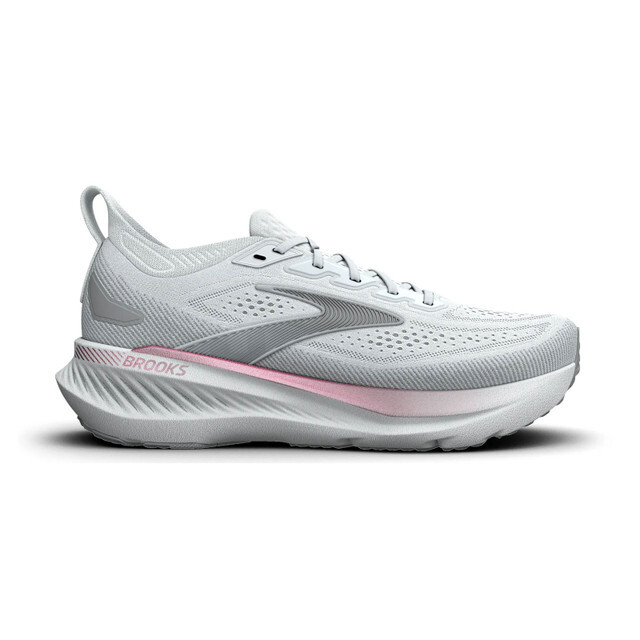
A max cushion stability trainer with premium DNA Tuned foam, strong guidance-based stability, and exceptional durability for daily training and walking.
Stats:
- Drop: 8mm
- Stack: 39mm heel / 31mm forefoot
- Weight: 10.8 oz (M) / 9.6 oz (W)
- Cushion: Balanced to plush
Pros:
- Strong guidance-based stability
- Premium DNA Tuned midsole
- Excellent outsole durability
- Comfortable, well-padded upper
- Great for walking and easy running
- Above-average durability
Cons:
- Firmer midsole than previous versions
- Requires break-in period
Why It’s the Best Overpronation Shoes for Running
The Brooks Glycerin GTS 23 remains one of the strongest options for runners who need moderate to high stability, especially for long, easy miles. Its standout feature is Brooks’ GuideRails support system, which helps keep the foot centered throughout the stride instead of relying only on a traditional medial post.
In the GTS 23, that guidance feels more noticeable than before. The shoe does a very good job limiting excess inward movement and keeping the ride stable, which makes it a strong pick for runners with moderate to severe overpronation. There is also a broad platform, substantial outsole coverage, and sidewall structure that all add to the planted underfoot feel.
The tradeoff is that this version can feel more controlling than some runners may prefer. If you like a stability shoe that really guides your foot path, that will be a plus. If you prefer more subtle support, it may feel a little aggressive.
How It Feels and Rides
The DNA Tuned midsole - while soft and spongy to the touch - firms up noticeably underfoot during running.
That firmer feel works well for stability. The shoe feels protective and dependable, especially at easy paces. The additional foam in the forefoot compared with the previous version helps smooth out landings and gives forefoot strikers a little more cushioning up front.
Overall, the Glycerin GTS 23 performs great as a daily trainer for easy runs, recovery runs, long steady efforts, and walking.
The heel-to-toe transition is decent, though not especially lively. There is some rocker geometry, and the forefoot rolls through better than the rearfoot, but this is not a fast or energetic shoe. The weight and overall chunkiness limit its versatility, so most runners will get the most out of it during relaxed mileage rather than workouts or uptempo runs.
What Features It Has
Brooks gives the Glycerin GTS 23 a premium build, and that shows most in the upper. The engineered mesh or knit upper feels plush, secure, and comfortable for long wear. The heel collar and tongue are generously padded.
The fit is generally secure through the heel and midfoot, but if you are between sizes, going up half a size may be worth considering because the toe box can feel somewhat tapered.
Underfoot, the shoe has full-length outsole rubber that adds durability and traction. Grip appears improved over the previous version.
Who and What It’s Good For
The Brooks Glycerin GTS 23 is best for runners who want a stable, premium daily trainer for easy runs, recovery miles, long runs, and even all-day walking. It is especially well-suited to runners who benefit from strong guidance-based stability and do not mind a shoe that feels substantial underfoot.
Asics Gel-Kayano 32 - Best Max Cushion Shoes for Overpronation
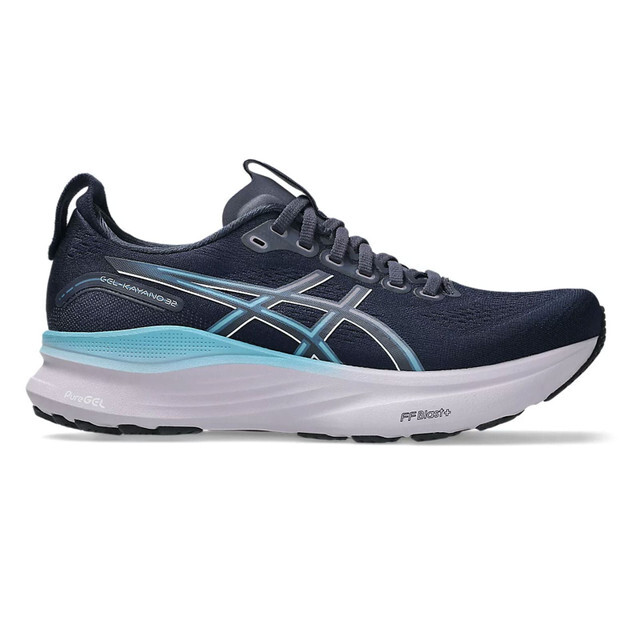
A daily trainer featuring dynamic support, plush cushioning, and a refined low-drop platform. Also ideal for long-distance and recovery runs.
Stats:
- Drop: 8mm
- Stack: 40 mm heel / 32 mm forefoot
- Weight: 10.5 oz (M), 9.0 oz (W)
- Cushion: Max cushioned
Pros:
- Exceptional dynamic stability
- Plush, durable upper with impressive breathability
- Comfortable, accommodating fit across multiple widths
- Wide, stable landing platform
- Excellent shock absorption for moderate to severe overpronation
- Improved lower drop, better suited to midfoot and forefoot strikers
- Outstanding outsole durability
Cons:
- Firmer ride - not for plush-foam lovers
- Low energy return
- Still on the heavier side
Why It’s the Best Overpronation Shoes for Running
The Gel-Kayano 32 continues ASICS’ move away from old-school medial posts and toward a more modern stability setup. Instead of forcing the foot into position with rigid support elements, it uses the 4D Guidance System, a wide base, built-in sidewalls, and a structured midsole geometry to guide the stride more naturally.
For runners with overpronation, that matters. The support feels smooth and consistent rather than intrusive. The platform is especially wide through the heel and midfoot, which creates a stable landing zone and helps reduce unwanted inward rolling. ASICS also shapes the midsole to cradle the foot, adding support without making the ride feel harsh or overly corrective.
This makes the Kayano 32 a strong option for runners who want dependable guidance on daily runs, especially if they need stability but dislike the stiff feel of traditional posted shoes.
How It Feels and Rides
The Gel-Kayano 32 delivers a firm, supportive ride best suited to heel strikers and runners who prioritize comfort and control over speed. Its FF Blast+ ECO foam provides a stable, cushioned feel underfoot, while the rearfoot PureGEL technology absorbs impact at heel-strike. The forefoot stack has grown considerably - now making 32mm - placing the Kayano 32 firmly in maximalist territory.
The ride is decidedly non-rockered, with a nearly flat profile that gives it a classic, traditional feel increasingly rare in today's market. This suits runners who prefer a grounded, natural stride over a propulsive, rolling one.
Energy return remains one of the shoe's weaknesses. The Kayano 32 won't suit runners chasing speed. But for easy, recovery-paced runs, this is barely noticeable.
The Kayano 32 weighs in at 10.5 oz, on par with its predecessor and reasonable for a high-stack stability shoe.
What Features It Has
The Kayano 32 pairs its stability-focused platform with a premium upper and durable outsole.
The engineered mesh upper feels plush and well-built, with good breathability for a comfort-oriented shoe. It isn’t the lightest or airiest upper in the category, but it balances ventilation and structure well. The fit is slightly wider than average, and ASICS offers multiple width options in many markets.
Around the heel, the padding is especially generous. The collar feels soft and protective, and the semi-gusseted tongue helps keep the midfoot locked in place without adding bulk.
The HYBRID ASICSGRIP outsole is thick, grippy, and built to last. Extra rubber coverage is especially useful for runners who tend to wear down the medial side of their shoes.
Who and What It’s Good For
The Gel-Kayano 32 is a great choice for runners who want maximum stability, high shock absorption, and a durable daily trainer for easy miles. It works particularly well for runners with mild to severe overpronation, heavier runners, and anyone who needs support over speed.
Hoka Arahi 8 - Best Lightweight Stability Shoes for Daily Runs
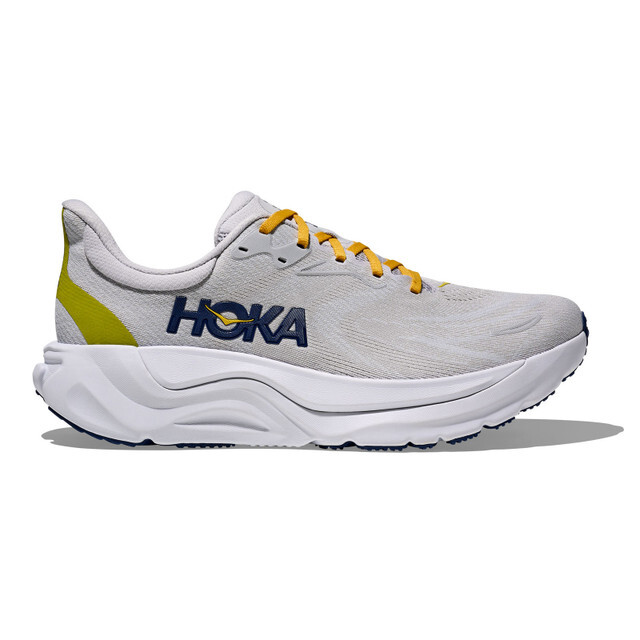
A lighter support trainer with a softer ride, a roomier fit, and a more modern approach to guidance than past versions.
Stats:
- Drop: 8mm
- Stack: 41mm heel / 33mm forefoot
- Weight: 9.1oz (M), 7.7oz (W)
- Cushion: Balanced to moderately soft
Pros:
- H-Frame provides centered, adaptive stability
- Softer EVA midsole than previous version
- Wider fit with more toebox room
- Impressive durability across upper and outsole
- Early-Stage Meta Rocker smooths forefoot transitions
- Higher drop suits heel strikers well
- Lightweight for a stability shoe
- Generous reflective detailing
Cons:
- Breathability could be better
- Grip underperforms on wet surfaces
- No supercritical foam
What Makes It the Best Shoes for Overpronation
The headline change here is the shift from the J-Frame to the H-Frame stability system (found in the more premium Hoka Gaviota). Where the J-Frame ran along the medial side and wrapped around the heel, the H-Frame uses a firmer secondary foam positioned centrally through the midsole, extending into both the medial and lateral forefoot and heel. The result is a more balanced, guidance-focused ride rather than an aggressive medial correction.
This support engages throughout the full stride, not just at a single contact point. The wider midsole base adds to the platform's overall stability without making the shoe feel unwieldy.
How It Feels and Rides
Compared with the Arahi 7, the Hoka Arahi 8 feels like a real update. The midsole foam comes across as softer and more forgiving, which fixes one of the biggest complaints about the previous version.
The higher stack and more pronounced rocker give the shoe a rolling feel, especially through the forefoot. Easy runs, recovery days, long walks, and daily wear all suit it well. The higher drop also helps heel strikers more than older Arahis did.
That said, this still won’t satisfy runners chasing a lively or quick ride. The foam lacks the springier feel found in newer premium trainers.
What Features It Has
The upper now uses a double jacquard mesh, and the fit feels more accommodating than the Arahi 7. That earlier version ran narrow and snug; this one gives you more room through the forefoot and a bit more volume across the upper. For many runners, that alone makes version 8 easier to recommend.
Comfort also gets a boost from the generously padded tongue and heel area, though the tongue lacks gussets and may slide a little. Breathability remains a weak point.
Underfoot, the outsole uses durable rubber in high-wear zones with exposed foam through parts of the midfoot. Grip draws mixed feedback: fine for dry roads, less confidence-inspiring on wet pavement.
Who and What It’s Good For
The Hoka Arahi 8 works best for runners who want a mild-to-moderate stability shoe for daily training, walking, standing, and easy long runs. It suits people who found the Arahi 7 too firm, too narrow, or too harsh. It also makes more sense now for heel strikers thanks to the taller rear stack and higher drop.
Brooks Adrenaline GTS 25 - Best High-Drop Stability Shoe for Versatile Training
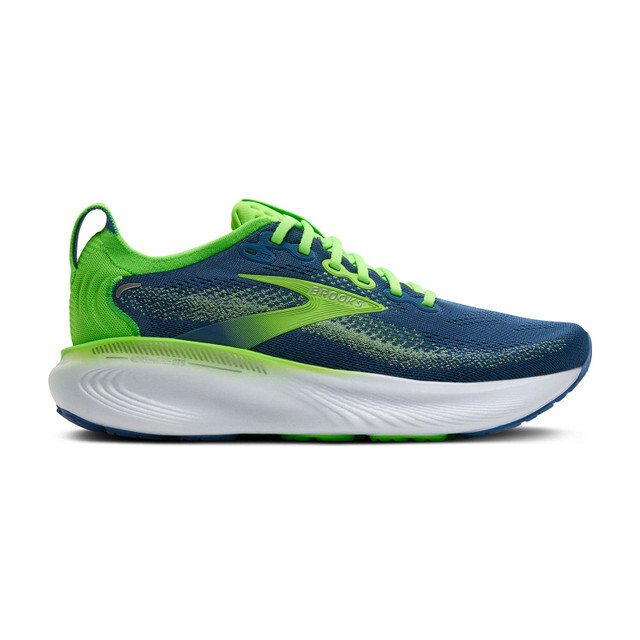
With over two decades of refinement, the Adrenaline remains one of the most dependable running shoes for overpronation.
Stats:
- Drop: 10mm
- Stack: 37mm heel / 27mm forefoot
- Weight: 10.6 oz (M), 9.5 oz (W)
- Cushion: Balanced, leaning firm
Pros:
- GuideRails offer reliable, non-intrusive stability
- Added foam gives the ride a smoother feel than the previous version
- Breathable, well-constructed upper with plush heel padding
- Durable outsole with solid wet-road traction
- Available in multiple widths
Cons:
- Firmer ride than many modern daily trainers
- Heavier than comparable stability options
- Limited energy return
What Makes It the Best Shoes for Overpronation
The Brooks Adrenaline GTS 25 keeps what worked in previous Adrenaline models and quietly improves what didn't. The GuideRails (raised foam bumpers on both the medial and lateral edges of the shoe) guide your stride without forcing it. Unlike a traditional medial post, they don't overcorrect. They simply keep excessive movement in check.
The platform retains a wide, structured base, and the heel counter is firm enough to hold the foot steady without feeling like a cast.
How It Feels and Rides
The ride here lands somewhere between dependable and a little dated, depending on what you want from a stability shoe. DNA Loft v3 still gives the Adrenaline GTS 25 a protective, somewhat cushioned feel, but this foam does not bring a huge bounce. Some runners will appreciate that controlled, stable sensation. Others may find it flat.
Brooks added 3 mm in the forefoot and 1 mm in the heel versus the prior version, and that extra material does help. The shoe feels smoother and a bit more forgiving than the GTS 24, particularly on short and medium runs. Even so, the underfoot feel stays on the firmer side.
The GTS 25 handles moderate pace increases well. It won't replace a speed-focused stability shoe like the Saucony Tempus 2, but it doesn't fall apart when you push the effort either. The firmer foam actually contributes to a slightly more responsive feel at tempo pace, enough to make it a genuine daily trainer rather than a recovery-only option.
What Features It Has
The engineered mesh wraps the foot well, and the padding around the heel, tongue, and ankle gives the shoe a plush step-in feel. The toe box has enough room for natural splay.
Fit through the midfoot feels secure, and most runners should find enough room up front, especially since Brooks offers wide and extra-wide versions. One thing to watch: the padded ankle area feels a bit bulky, and some reviewers found the lace lockdown slightly tricky because the thick tongue compresses as you run.
Underneath, the outsole does a good job on wet pavement and regular road miles. Traction has been reliable across mixed urban conditions, and durability looks strong thanks to the dense foam and solid rubber coverage.
Who and What It’s Good For
The GTS 25 suits heel strikers with mild to moderate overpronation who want a structured daily trainer they can also push when needed. It's a strong fit for runners transitioning away from stiffer, older-generation stability shoes - the cushion upgrade and drop reduction make it feel more current without abandoning the Adrenaline's traditional reliability.
Saucony Guide 18 - Most Versatile Mid-Drop Stability Shoes for Daily Runs
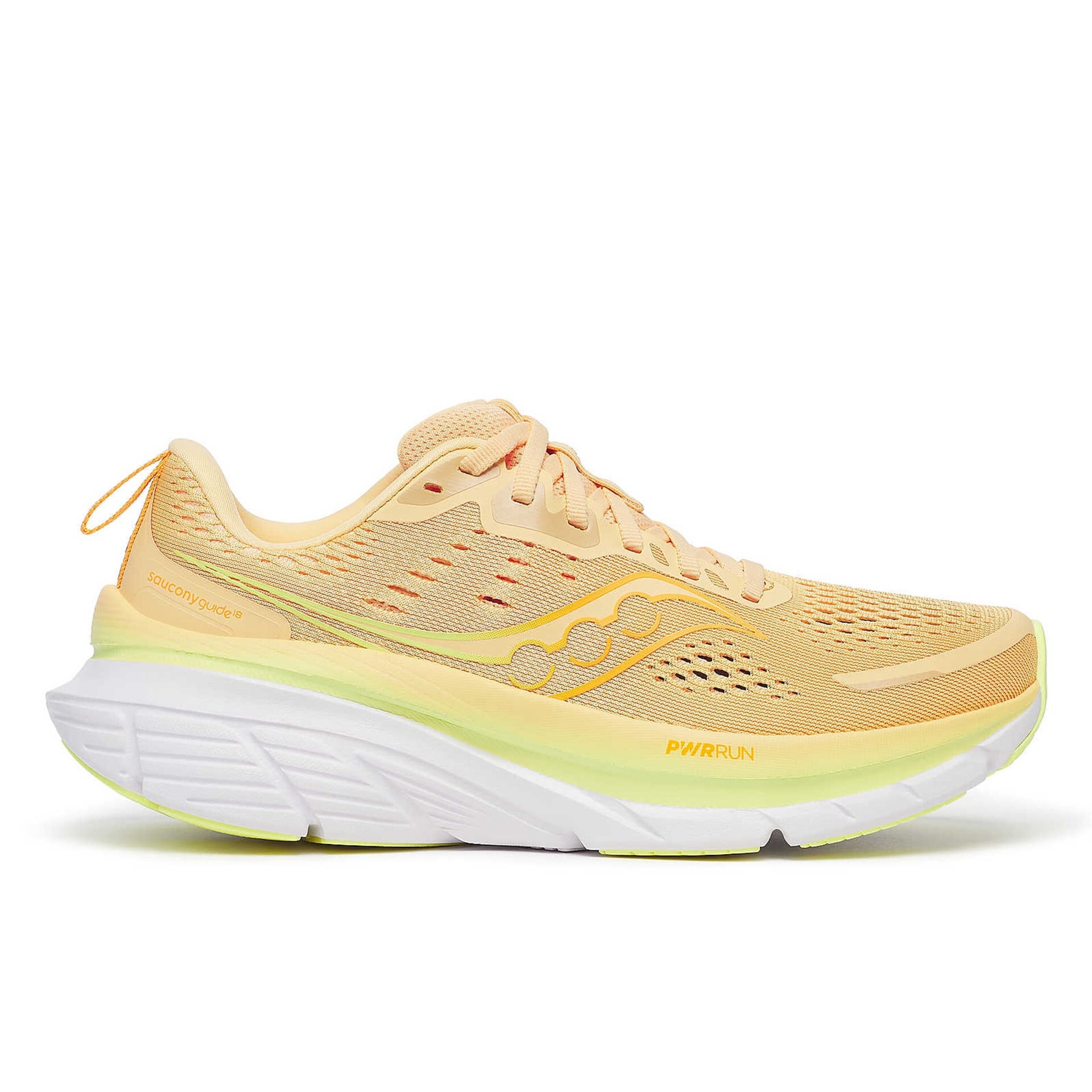
A versatile stability running shoe with outstanding breathability.
Stats:
- Drop: 6mm
- Stack: 35mm
- Weight: 9.6oz (M), 8.6oz (W)
- Cushion: Balanced
Pros:
- Subtle, effective stability
- Rocker geometry
- Firm PWRRUN midsole
- Exceptional breathability
- Toebox accommodates various foot shapes
Cons:
- Lacks bounce
- Outsole grip is less effective on wet or slick surfaces
What Makes It the Best Shoes for Overpronation
The Guide 18 stands out for its subtle yet effective stability features. Saucony employs an approach they call Center Path Technology, which integrates several elements to guide the foot along a stable stride.
This starts with the midsole and outsole sculpted with an asymmetrical profile and continues with raised sidewalls and a platform widened on both the medial and lateral sides. The idea is to deliver a pressure-centered ride that instead of focusing solely on correcting overpronation, the technology emphasizes keeping pressure centered underfoot during the stride.
Even the heel flare contributes to this stability, especially for heel strikers, as it keeps transitions smooth and reduces excessive motion.
The shoe also features a highly stable, firmer midsole, crafted from firm EVA-based PWRRUN foam, giving the Guide 18 a solid underfoot feel that resists unnecessary wobbling.
How It Feels and Rides
The Saucony Guide 18 offers a well-balanced ride with smooth transitions. Thanks to its pronounced rocker geometry, particularly strong in the heel, the shoe naturally propels you forward, making it suitable for both easy and moderately paced runs. The design favors heel strikers, though a 6mm drop also wicks to midfoot strikers.
Underfoot, the ride is grounded and stable with a slight firmness in the foam. While it’s not particularly bouncy or energetic, the PWRRUN midsole delivers dependable cushioning that’s protective over longer distances.
While the improved breathability of the upper makes the shoe feel lighter than it truly is, the Guide 18 is still on the slightly bulky side. Weighing in at 9.8 oz (278g), it doesn’t feel clunky, but it’s not agile either.
What Features It Has
The engineered mesh upper of the Guide 18 deserves praise for its exceptional breathability. Ventilation holes across the toebox and other sections ensure excellent airflow, making the shoe ideal for hot summer runs or runners who struggle with overheating feet.
The toebox strikes a good balance, providing sufficient width and height to accommodate a variety of foot shapes while maintaining a snug fit.
The outsole rubber holds up well against wear but lacks some grip on wet or slick surfaces.
Who and What It’s Good For
The Saucony Guide 18 is best suited for runners seeking light-to-moderate stability in a daily trainer. It’s an excellent choice for overpronators looking for subtle support over long miles, recovery runs, or consistent daily training. The breathable upper also makes it a standout option for warm climates and is generally a great advantage in the running shoes.
However, it’s not the best pick for athletes needing maximum pronation control or a highly responsive ride. The PWRRUN midsole feels firm and reliable, but it lacks the energy return some runners may expect from modern foams.
Brooks Hyperion GTS 2 - Best Responsive Stability Shoes for Speed Training
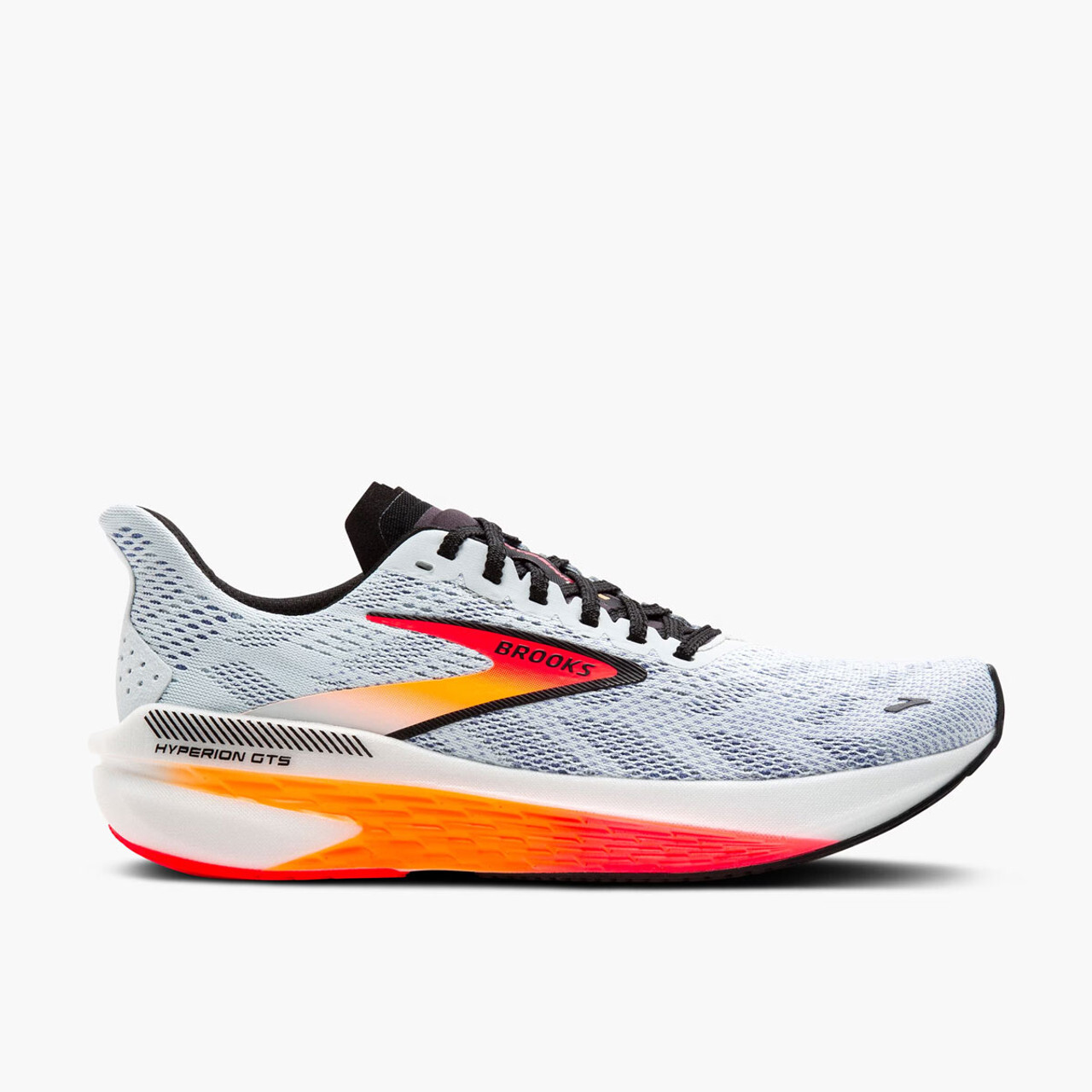
A lightweight and responsive stability shoe. Great for speed training.
Stats:
- Drop: 8mm
- Stack: 26mm
- Weight: 7.6oz (M), 6.9oz (W)
- Cushion: Responsive
Pros:
- Lightweight
- GuideRails stability + increased rubber coverage on the medial forefoot
- Snappy, responsive ride with nitrogen-infused cushioning
- Breathable, stretchy mesh upper
- Gradual forefoot rocker
- Good traction
- Good forefoot flexibility and low stack height
- Ideal for mild overpronation
Cons:
- Snug fit with low-volume toe box, potentially uncomfortable for wider feet
- Limited traction on wet or uneven surfaces
What Makes It the Best Shoes for Overpronation
Similar to the other Brooks shoes mentioned in this overview, the Hyperion GTS 2 features its good old GuideRails system where lateral and medial foam sidewalls act as foot cradles. However, that's not all.
What sets the Hyperion GTS 2 apart from other stability shoes for overpronation is increased rubber coverage on the medial forefoot. This creates a slightly more rigid and supportive structure. Moreover, the shoe also includes a medial gusset on the tongue to wrap and support the arch, creating a snug fit that keeps the foot locked in place. Finally, additional stability is provided by a slightly flared heel and forefoot.
How It Feels and Rides
The ride of the Hyperion GTS 2 is snappy and responsive, primarily thanks to Brooks’ updated DNA Flash v2 midsole. Infused with nitrogen, this cushioning provides just the right blend of firmness and protection. It’s a midsole that feels energetic but not overly plush, making it ideal for runners seeking a grounded, natural experience. While the cushioning slightly leans firm, it’s protective enough to handle moderate-distance runs.
Despite the added stability features, the Hyperion GTS 2 remains one of the lightest stability trainers available, giving it a fast, agile feel. The rounded heel design, smooth heel bevel, and a gradual forefoot rocker enhance the transitions, lending fluidity to each stride. The forefoot integrates a notable degree of flexibility, which is great for runners who favor a natural toe-off. However, those accustomed to stiffer, plate-assisted trainers may need to adapt to the less rigid front end.
This balanced performance makes the shoe ideal for tempo runs, intervals, and short-distance races.
What Features It Has
The construction of the Hyperion GTS 2 boasts practical details that enhance its overall functionality. The upper is a breathable and stretchy mesh that accommodates varying foot shapes while maintaining a secure lockdown. The fit is snug and gives just the right amount of toe box room for natural splay, while the gusseted tongue ensures midfoot security. The slightly padded heel counter adds comfort and minimizes slippage.
The outsole design complements the shoe's performance-oriented build, featuring durable rubber coverage and added traction for light road or smooth trail conditions.
Who and What It’s Good For
The Brooks Hyperion GTS 2 is tailor-made for runners seeking a mild stability shoe that's lightweight, fast, and fun. It’s ideal for those who enjoy shorter runs, interval training, and tempo efforts. Athletes who find high-stack, superfoam trainers cumbersome will likely appreciate the close-to-the-ground and responsive feel of the Hyperion GTS 2.
EXPLORE POPULAR ARTICLES
-

Pronation Guide for Runners: At-Home Test + Best Picks
Feb 27th 2026Understanding how your foot moves is one of the most practical things you can do before buying your
-

-
Brooks Launch 12 Overview: Speed on a Budget
Jan 30th 2026The Brooks Launch 12 proves that you don't need to break the bank to get a lively, responsive ride t

