
Best Shoes for Walking and Standing All Day for Men & Women [2025]
![Best Shoes for Walking and Standing All Day for Men & Women [2025]](https://cdn11.bigcommerce.com/s-eeul26hjka/images/stencil/1280x720/uploaded_images/best-walking-shoes-for-women-and-men.jpg "Best Shoes for Walking and Standing All Day for Men & Women [2025]")
Whether you're planning a trip where you'll rack up serious steps or just want something comfortable for daily walks, the right shoe makes all the difference. So let us break down what actually matters when choosing walking shoes, then share my top picks that work for different foot types and needs.
A Guick Guide to Choosing Good Shoes for Walking
A lot of what makes a good walking shoe is actually borrowed from running shoe tech. That's a good thing, as it means better materials, more support, and more comfort for you.
Fit is Everything
Your shoe needs to be the right size, both in length and width. A good rule of thumb is to have a thumb's width of space between your longest toe and the end of the shoe. To check the width, pull the insole out, place it on the floor, and stand on it. If your foot spills over the sides, the shoe is too narrow. A lot of brands offer wide (2E) and extra-wide (4E) sizes, so don't settle for a cramped fit.
Support & Stability
This is about how much the shoe controls your foot's motion. If you have flat feet or your ankles tend to roll inward (overpronation), you'll want a "stability" or "motion control" shoe with corresponding features - firmer material on the inner side of the shoe, guide rails, or structured support systems. Shoes like the Brooks Addiction or Asics Kayano are built for this. If you have high, rigid arches, you might do better with a "neutral" shoe that focuses more on cushioning.
Best Stability Running Shoes for Overpronation
Cushioning
This is the soft stuff between your foot and the ground. "Max cushion" shoes, like the Hoka Bondi, are great for long days on hard surfaces like concrete because they absorb a lot of shock. The trade-off is they can feel a bit bulky and sometimes less stable. "Balanced" cushioning offers a mix of softness and responsiveness, which many people prefer for all-day wear. Don't assume softer is always better; sometimes a slightly firmer shoe provides more consistent support over a long day.
Heel-to-Toe Drop
This is the height difference between the heel and the forefoot. A "high drop" (8mm or more) puts more of your weight forward and can take stress off the Achilles tendon. The Brooks Ghost is a good example. A "low drop" (0-6mm) shoe promotes a more natural, midfoot strike and distributes pressure more evenly, which can be better for forefoot pain like bunions or neuromas. Just be aware that switching to a very low or zero-drop shoe can put more strain on your calves and Achilles if you're not used to it.
Rocker Geometry
Many modern shoes have a curved sole, like the bottom of a rocking chair. This is called a "rocker." It helps your foot roll smoothly from heel to toe, reducing pressure on specific areas like the forefoot or big toe. This is especially helpful if you have a stiff big toe (hallux rigidus), plantar fasciitis, or metatarsalgia. Hoka is famous for this design.
For high arches or forefoot pain, a pronounced rocker with good cushioning can help absorb shock and ease pressure. However, if you have flat or overpronated feet, a softer rocker may not provide enough stability and could exacerbate issues like medial ankle pain.
Best Running Shoes for High Arches
Don't Judge by Weight
It's tempting to grab the lightest shoe on the shelf, but lighter often means less support and less cushioning. Heavier shoes usually have more durable materials and more robust support systems built in. For a long day of walking, that extra ounce or two is a worthwhile trade for feet that don't ache.
Best Walking Shoes for Men & Women
For Maximum Cushioning & Comfort
Hoka Gaviota 5
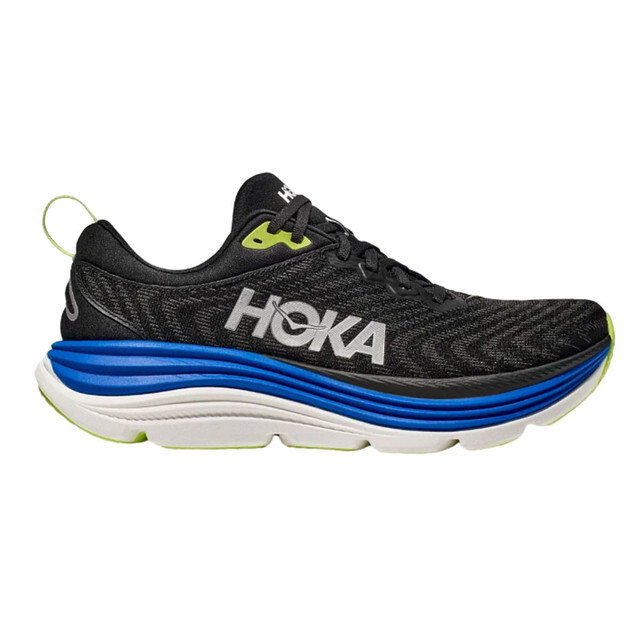
The Gaviota 5 is a max-cushion shoe built on a stability frame. Hoka finally fixed their notoriously narrow fit with this model, giving it a much roomier toe box. The stability comes from a "J-Frame," which is a denser foam that wraps around the heel and up the inside of your arch to guide your foot without being overly aggressive. It’s perfect if you want a soft, cloud-like feel but still need to control overpronation. It's a bit heavy, but if you need that blend of plush comfort and support, this is a top-tier choice.
Brooks Glycerin Max

If you want pure, unadulterated softness in a neutral shoe, this is it. The Glycerin Max is packed with Brooks's softest foam, and it feels like it. It's built on a low-drop platform, which helps distribute pressure evenly across the foot, making it great for standing for long periods. The rocker design helps with smooth transitions. The only real downside is that all that softness can feel a bit unstable if you're prone to ankle rolling. But for neutral-footed folks walking or standing on hard floors all day, it's hard to beat this level of comfort.
ON Cloudmonster 2
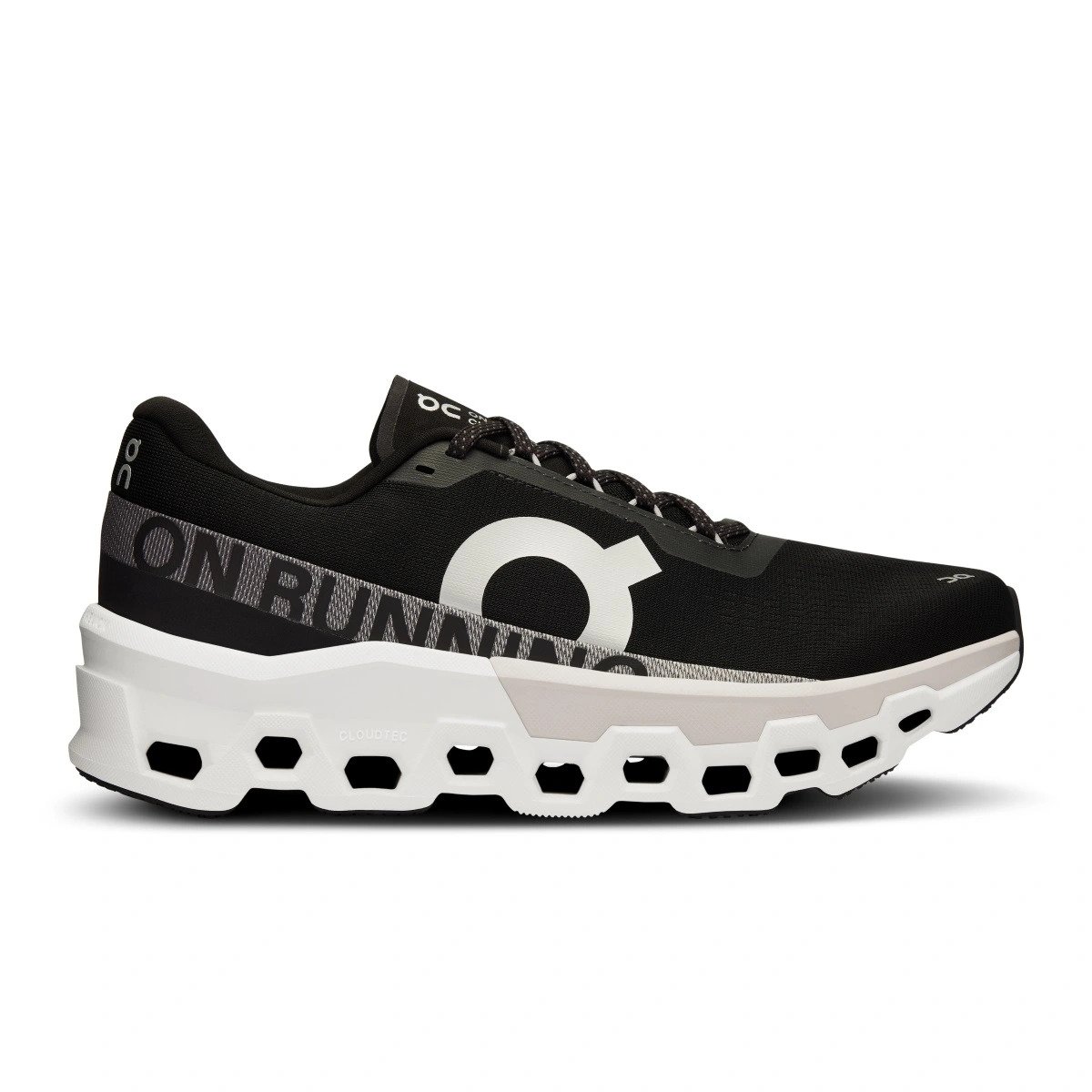
The Cloudmonster 2 is a max-cushion shoe with a different feel. It has huge cushioning pods, but also a plate running through the midsole that gives it a bit of rigidity and responsiveness. It’s softer than the original but still not as mushy as a Hoka. This makes it feel a bit more stable and springy underfoot. It’s a great option if you want more cushioning but don't like the feeling of sinking into your shoes. Plus, it feels surprisingly light for its size.
For Balanced, All-Around Performance
Brooks Ghost 17
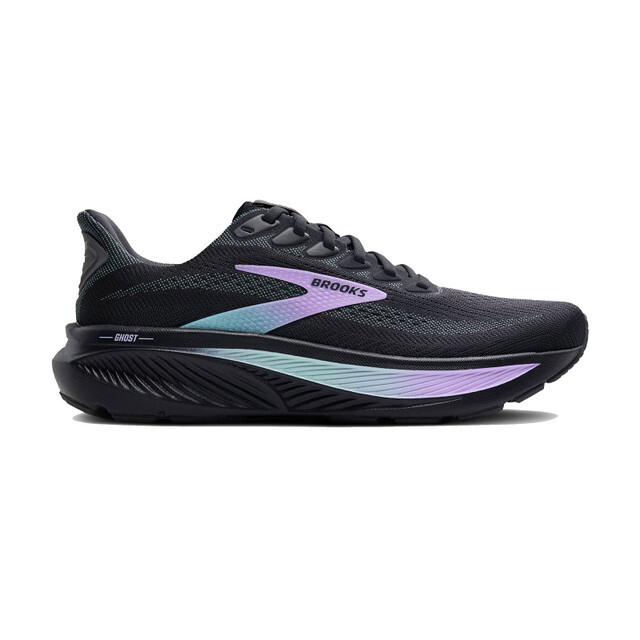
The Ghost is the reliable workhorse of the shoe world. It's a neutral trainer that does everything well. Compared to the previous version, though, it has become a bit softer due to more DNA LOFT v3 cushioning -1mm more in the heel and 3mm more in the forefoot. Still, the shoe provides a smooth, predictable ride that isn't much different from the Ghost 16. The high 10mm drop is great for taking pressure off the Achilles tendon. It’s not the flashiest shoe, but it's durable, comfortable, and comes in multiple widths. If you don't have any major foot issues and just want a simple walking shoe, the Ghost is a can't-miss option.
New Balance 880 v15
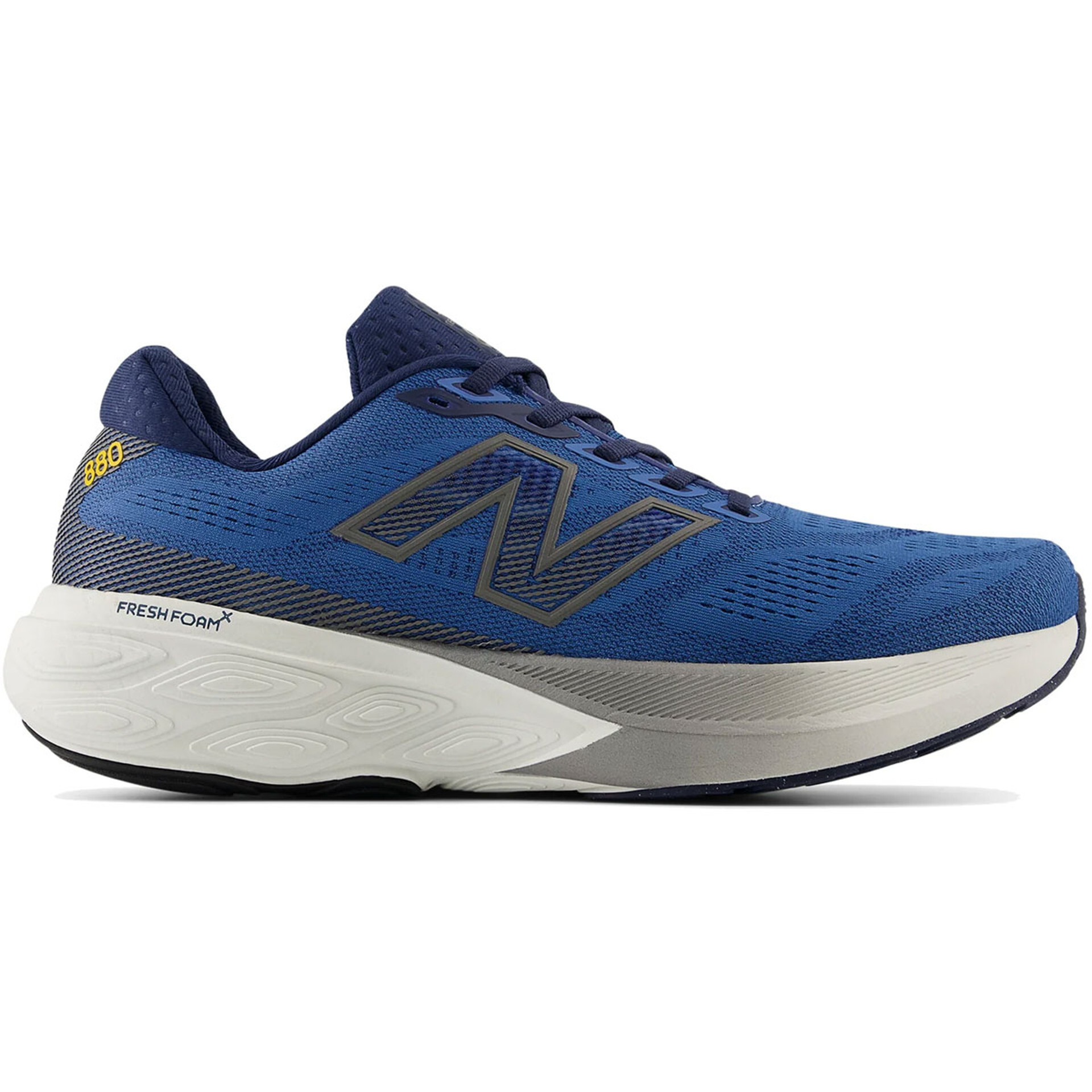
The 880 is New Balance’s answer to the Brooks Ghost. It's another do-it-all neutral daily trainer known for its durability and consistent feel. It typically has a slightly softer feel than the Ghost but remains a well-balanced shoe that isn’t overly plush. It’s known for having a solid, accommodating fit, especially for those who need a bit more room in the midfoot. It’s a dependable choice for anyone needing a reliable shoe for daily walks or long shifts.
For Stability & Support
Asics Gel-Kayano 32
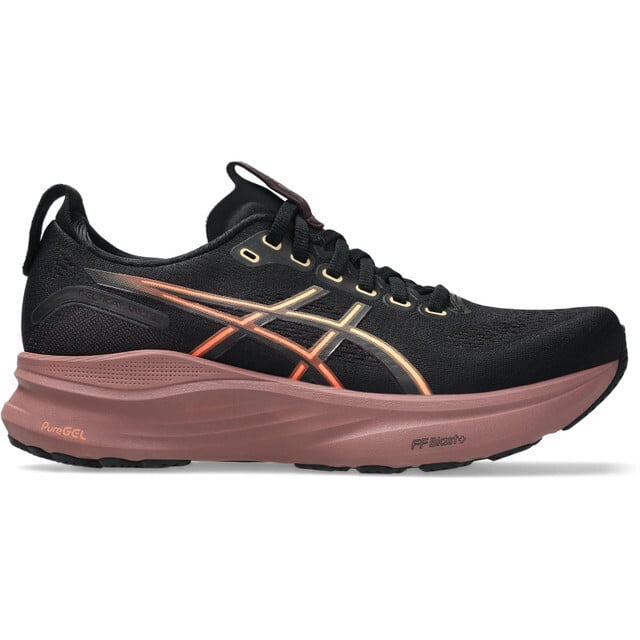
The Kayano is a legend in the stability world. It's designed for people who overpronate and need serious support. The latest versions use a wide base and a "4D Guidance System" to keep your foot stable. The cushioning is plush, making it one of the most comfortable stability shoes on the market. It does feel a bit narrower than some other brands, so trying it on is a good idea. But for reliable arch support combined with excellent cushioning, the Kayano is a top contender.
Saucony Tempus
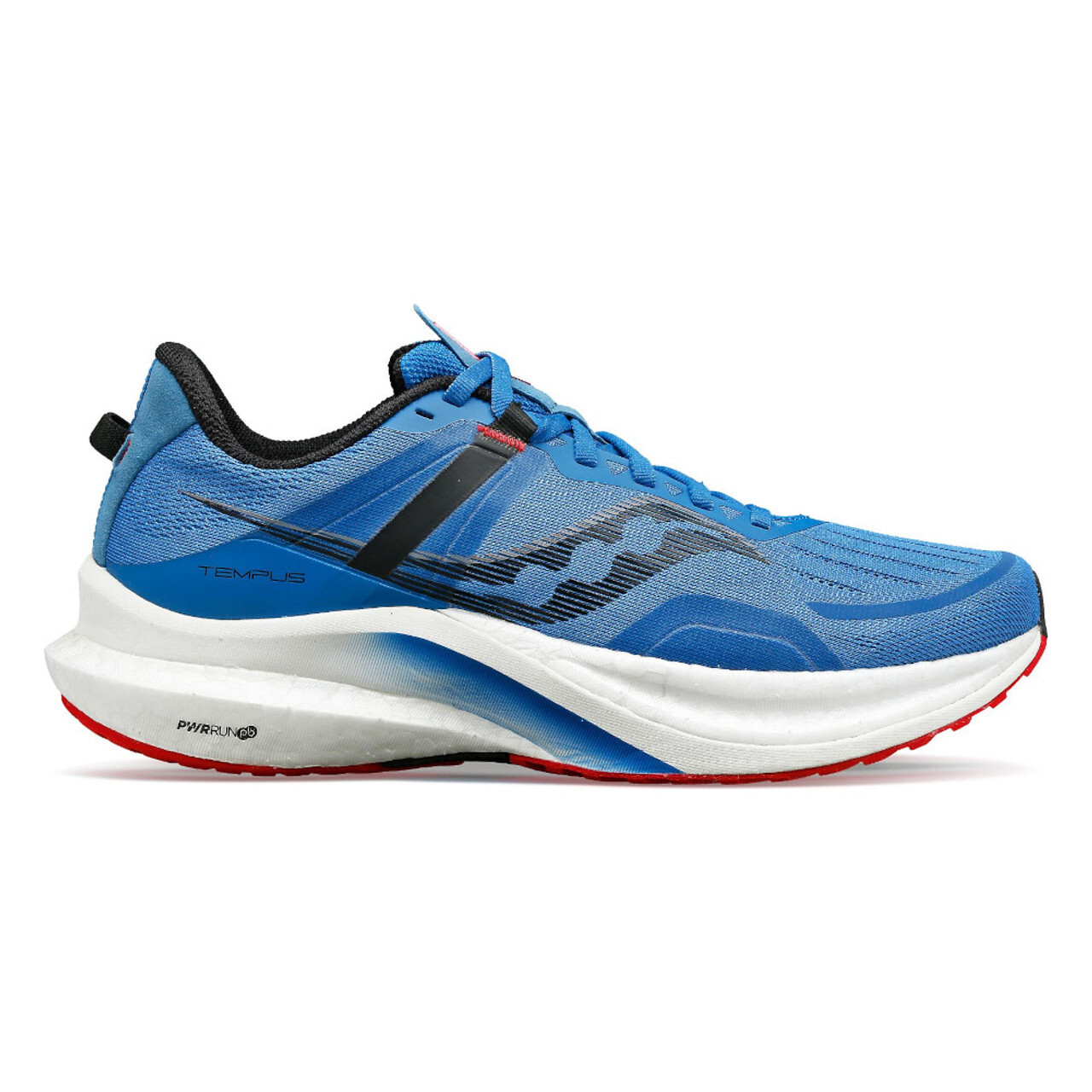
The Tempus is a more modern take on a stability shoe. It’s lighter and feels more responsive than traditional stability models. It uses a frame of firmer foam that cradles your foot, providing guidance without feeling clunky or rigid. It’s a great choice for walkers with mild to moderate overpronation who want support but don't want to feel like they're wearing a brick. It does run a bit narrow, so it's best suited for those with average-to-narrow feet.
For a Natural Foot Shape & Feel
Topo Atmos
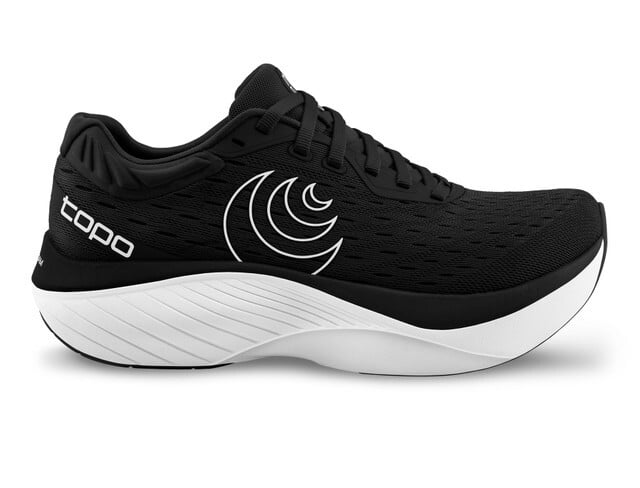
Topo's whole thing is building shoes that are shaped like a human foot: snug in the heel and midfoot, with a wide, roomy toe box. The Atmos is their max-cushion neutral shoe. It's very comfortable, with a balanced foam that isn't too squishy. The 5mm low drop and wide toe box make it excellent for people with bunions, Morton's neuroma, or who just want their toes to be able to splay naturally. It's a fantastic, underrated option for all-day comfort.
Topo Phantom 4
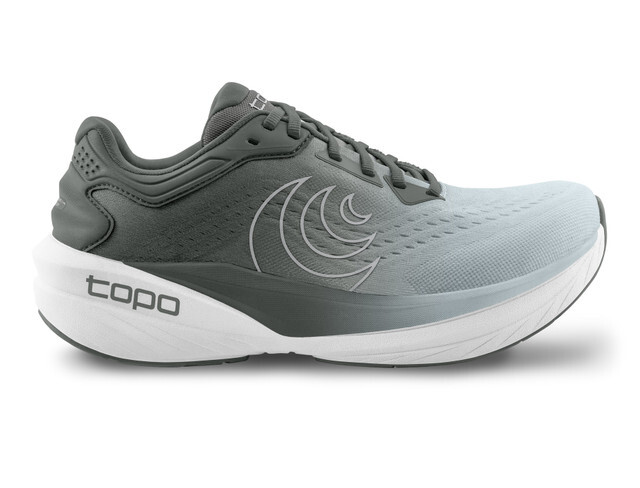
The Phantom is Topo’s neutral daily trainer, a step down in cushion from the Atmos but still very well-cushioned. Like all Topos, it features a 5mm drop and that signature wide toe box. The foam is responsive and light, making it a great all-day shoe that doesn’t feel bulky. If you like the idea of the Atmos but want something a bit more nimble and connected to the ground, the Phantom is the perfect choice.
EXPLORE POPULAR ARTICLES
-

Pronation Guide for Runners: At-Home Test + Best Picks
Feb 27th 2026Understanding how your foot moves is one of the most practical things you can do before buying your
-

-
Brooks Launch 12 Overview: Speed on a Budget
Jan 30th 2026The Brooks Launch 12 proves that you don't need to break the bank to get a lively, responsive ride t

